
The Best Fluffy Pancakes recipe you will fall in love with. Full of tips and tricks to help you make the best pancakes.

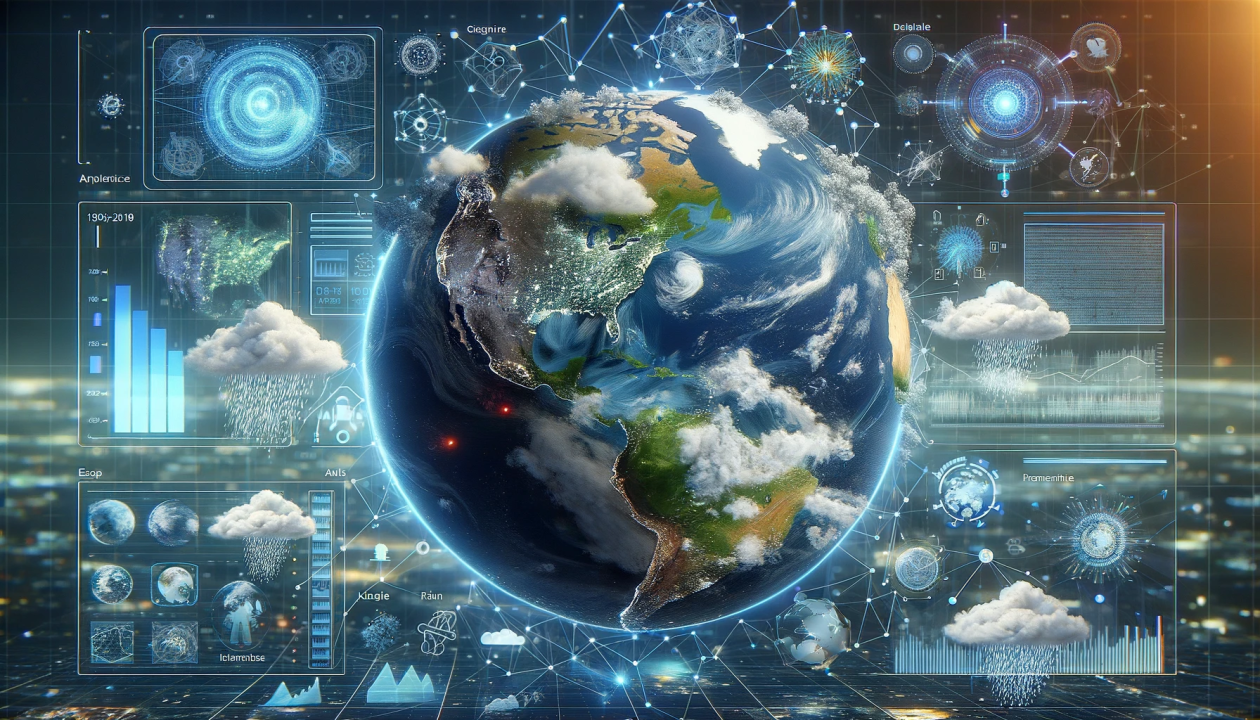
Weather affects nearly every aspect of daily life, from commuting and travel plans to agriculture and business operations. Yet weather forecasting today looks very different from what it did just a decade ago. Thanks to advances in weather tech, meteorologists, businesses, and everyday consumers now have access to faster, more accurate, and more detailed weather information than ever before.
Whether you’re checking your phone for tomorrow’s forecast or a farmer planning irrigation schedules, weather technology plays a crucial role in helping people make informed decisions. In this article, you’ll learn what weather tech is, how it works, its real-world applications, and why it continues to reshape industries worldwide.
What Is Weather Tech?
Weather tech refers to the collection of technologies, tools, and systems used to monitor, analyze, predict, and communicate weather conditions. It combines meteorology with modern innovations such as artificial intelligence (AI), satellite imaging, sensors, cloud computing, and big data analytics.
Featured Snippet: What Is Weather Tech?
Weather tech combines cutting-edge tools such as artificial intelligence, satellite systems, smart sensors, and advanced analytics to deliver more accurate weather insights and support better decision-making across industries and everyday activities.
The primary purpose of weather tech is to turn complex environmental data into accurate forecasts and practical insights that help people and organizations stay prepared for changing conditions.
How Weather Tech Works
Modern weather forecasting relies on an enormous network of data sources working together in real time.
Advanced Weather Sensors
Weather stations collect data on temperature, humidity, wind speed, atmospheric pressure, and precipitation. These sensors are located on land, at sea, and even in remote regions where traditional observation methods are difficult.
Many modern sensors transmit data instantly, allowing meteorologists to monitor developing weather patterns continuously.
Satellite and Radar Technology
Satellites provide a global view of cloud formations, storm systems, and atmospheric changes. Weather radars, meanwhile, track precipitation and severe weather events such as thunderstorms and hurricanes.
Together, these technologies help forecasters identify developing conditions before they impact communities.
Artificial Intelligence and Machine Learning
AI has become one of the most significant advancements in weather tech. Machine learning models can analyze massive datasets much faster than traditional forecasting methods.
These systems can:
- Detect weather patterns
- Improve forecast accuracy
- Predict severe weather events earlier
- Reduce forecasting errors
- Process real-time environmental data
As AI models continue to improve, forecasts are becoming increasingly precise at both regional and local levels.
Key Applications of Weather Tech
Weather technology extends far beyond the daily forecast on your smartphone. Today, organizations across a wide range of sectors rely on advanced weather intelligence to make informed decisions, minimize operational risks, and enhance overall performance.
Agriculture and Farming
Farmers use weather tech to optimize planting, irrigation, harvesting, and crop protection.
For example, hyperlocal weather forecasts can help farmers:
- Schedule watering efficiently
- Reduce pesticide waste
- Protect crops from frost
- Prepare for drought conditions
Accurate weather insights help improve crop yields while lowering operational costs.
Transportation and Logistics
Airlines, shipping companies, and trucking fleets rely heavily on weather forecasting technology.
Weather intelligence helps transportation companies:
- Avoid dangerous routes
- Reduce delays
- Improve fuel efficiency
- Enhance passenger safety
By anticipating weather disruptions, organizations can make proactive operational decisions.
Emergency Management and Public Safety
One of the most important benefits of weather tech is protecting lives.
Advanced forecasting systems provide earlier warnings for:
- Hurricanes
- Tornadoes
- Floods
- Heat waves
- Severe storms
Faster and more accurate alerts give communities additional time to prepare and respond to emergencies.
Renewable Energy
Renewable energy providers depend on weather conditions for power generation.
Solar farms use weather forecasting to estimate sunlight availability, while wind farms monitor wind speed predictions to optimize energy production.
Weather technology helps operators balance energy supply and demand more effectively.
The Role of Big Data in Weather Forecasting
Weather forecasting generates enormous amounts of information every day. Modern weather tech platforms process data from thousands of sources simultaneously.
These sources include:
- Satellites
- Ground sensors
- Ocean buoys
- Aircraft observations
- Historical climate records
- Mobile weather stations
Big data analytics enables meteorologists to identify trends and generate highly detailed forecasts that would have been impossible to produce manually.
The result is better decision-making for governments, businesses, and individuals.
Benefits of Modern Weather Tech
The rapid evolution of weather technology offers numerous advantages.
Improved Forecast Accuracy
Forecasts today are significantly more accurate than those produced decades ago. Advanced models can predict weather events days in advance with greater reliability.
Better Risk Management
Businesses can reduce financial losses by preparing for weather-related disruptions before they occur.
Increased Operational Efficiency
Reliable weather intelligence enables industries such as agriculture, logistics, construction, and energy to optimize schedules, allocate resources efficiently, and minimize weather-related disruptions.
Enhanced Public Safety
Timely warnings help communities respond faster to severe weather threats, potentially saving lives and reducing property damage.
Challenges Facing Weather Technology
Despite significant progress, weather forecasting still faces several challenges.
Extreme Weather Complexity
Climate variability and increasingly extreme weather events can create forecasting difficulties. Some rapidly developing storms remain difficult to predict accurately.
Data Quality and Coverage
Forecast accuracy depends on the quality and availability of observational data. Remote regions may still have limited monitoring infrastructure.
High Computational Requirements
Weather models require substantial computing power. Processing vast amounts of atmospheric data demands advanced infrastructure and ongoing investment.
As technology continues to evolve, many of these limitations are gradually being addressed.
The Future of Weather Tech
The future of weather tech is likely to be driven by AI, automation, and increasingly connected data networks.
Emerging trends include:
Hyperlocal Forecasting
Forecasts will become more location-specific, providing street-level weather predictions rather than broad regional estimates.
AI-Powered Prediction Models
Advanced machine learning systems will continue improving forecast speed and precision.
Internet of Things (IoT) Weather Networks
Connected devices and smart sensors will expand weather monitoring capabilities in homes, businesses, farms, and cities.
Climate Risk Intelligence
Organizations will increasingly use weather technology to assess long-term climate risks and strengthen resilience planning.
These innovations will help create a more weather-aware society capable of responding proactively to environmental challenges.
Conclusion
Weather tech has transformed the way we understand and respond to weather conditions. Through advanced sensors, satellites, AI, and big data analytics, forecasting has become more accurate, accessible, and valuable across countless industries.
From helping farmers protect crops to enabling emergency responders to prepare for severe storms, weather technology delivers practical benefits that impact everyday life. As innovation continues, weather forecasts will become even more precise, empowering individuals and organizations to make smarter decisions in an increasingly unpredictable world.
Ready to stay ahead of changing weather conditions? Explore the latest weather technology solutions and discover how data-driven forecasting can improve planning, safety, and operational efficiency.