
The Best Fluffy Pancakes recipe you will fall in love with. Full of tips and tricks to help you make the best pancakes.

Introduction
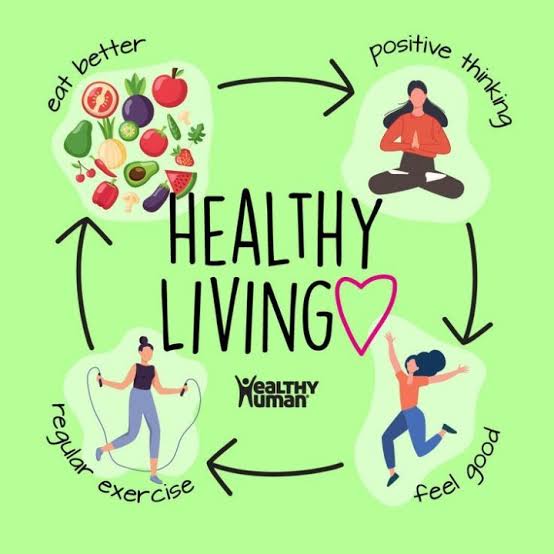
Good health is one of the most valuable assets a person can have. It influences how we feel, work, think, and enjoy everyday life. Yet many people associate good health with strict diets, intense workout routines, or complicated wellness plans. In reality, maintaining good health often comes down to consistent daily habits that support both physical and mental well-being.
Whether you’re looking to improve your energy levels, reduce stress, prevent illness, or simply feel better each day, understanding the foundations of good health can help you make lasting changes. In this guide, you’ll learn practical strategies for building a healthier lifestyle, common obstacles to avoid, and simple steps you can start implementing today.
What Is Good Health?
Good health is more than the absence of disease. It refers to a state of physical, mental, and emotional well-being that allows people to function effectively and enjoy life.
Key Components of Good Health
Several factors work together to support overall wellness:
- Balanced nutrition
- Regular physical activity
- Quality sleep
- Effective stress management
- Preventive healthcare
- Positive social connections
When these areas are consistently supported, the body and mind are better equipped to handle daily challenges and maintain long-term wellness.
Featured Snippet: What Are the Main Factors of Good Health?
The main factors of good health include proper nutrition, regular exercise, sufficient sleep, stress management, preventive healthcare, and healthy social relationships. Together, these habits support physical, mental, and emotional well-being.
Nutrition: The Foundation of Good Health
Healthy eating plays a major role in maintaining good health. The foods we consume provide the nutrients needed for energy production, immune function, tissue repair, and overall body performance.
Focus on Whole Foods
A nutritious diet should prioritize:
- Fruits and vegetables
- Whole grains
- Lean proteins
- Healthy fats
- Adequate hydration
For example, replacing sugary snacks with fruit or choosing whole grains instead of refined carbohydrates can significantly improve nutrient intake over time.
Common Nutrition Mistakes
Many people unknowingly undermine their health by:
- Skipping meals regularly
- Consuming excessive processed foods
- Drinking sugary beverages frequently
- Ignoring portion sizes
Small adjustments often produce better long-term results than extreme dieting approaches.
Physical Activity and Good Health
Regular movement is essential for maintaining good health. Exercise benefits nearly every system in the body, including the heart, muscles, bones, and brain.
How Much Exercise Do You Need?
For most adults, experts recommend:
- At least 150 minutes of moderate physical activity per week
- Muscle-strengthening activities at least twice weekly
This doesn’t necessarily mean spending hours in a gym. Walking, cycling, swimming, dancing, or even gardening can contribute to overall fitness.
Benefits of Regular Exercise
Consistent physical activity can:
- Improve cardiovascular health
- Support healthy weight management
- Increase energy levels
- Enhance mood and mental clarity
- Reduce the risk of chronic diseases
A simple 30-minute walk each day can make a noticeable difference in overall wellness.
Sleep: An Often Overlooked Health Essential
Many people focus on diet and exercise while overlooking the importance of sleep. However, quality sleep is a critical pillar of good health.
Why Sleep Matters
During sleep, the body:
- Repairs tissues
- Consolidates memories
- Regulates hormones
- Supports immune function
Insufficient sleep can contribute to fatigue, reduced concentration, mood changes, and an increased risk of various health conditions.
Tips for Better Sleep
To improve sleep quality:
- Maintain a consistent sleep schedule
- Limit screen time before bed
- Keep the bedroom cool and comfortable
- Avoid excessive caffeine late in the day
- Establish a relaxing bedtime routine
Even minor improvements in sleep habits can have a significant impact on daily performance and long-term health.
Managing Stress for Better Health
Stress is a natural part of life, but chronic stress can negatively affect both physical and mental well-being.
How Stress Impacts the Body
Long-term stress may contribute to:
- Elevated blood pressure
- Weakened immune function
- Sleep disturbances
- Anxiety and depression
- Digestive issues
Recognizing stress early allows individuals to take proactive steps before it becomes overwhelming.
Effective Stress Management Techniques
Practical strategies include:
- Deep breathing exercises
- Regular physical activity
- Mindfulness practices
- Spending time outdoors
- Maintaining supportive relationships
- Setting realistic boundaries
For example, taking a short walk during a busy workday can help reset focus and reduce tension.
Preventive Care and Healthy Lifestyle Choices
One of the smartest ways to maintain good health is through prevention rather than treatment.
Importance of Preventive Healthcare
Regular checkups can help identify potential health concerns before they become serious. Preventive care may include:
- Routine medical examinations
- Blood pressure monitoring
- Health screenings
- Vaccinations
- Dental checkups
Early detection often leads to better health outcomes and lower healthcare costs.
Everyday Habits That Support Good Health
In addition to medical care, consider these lifestyle practices:
- Avoid smoking and tobacco products
- Limit excessive alcohol consumption
- Stay hydrated throughout the day
- Practice good hygiene
- Maintain healthy relationships
These habits contribute significantly to long-term wellness and disease prevention.
Building Sustainable Habits for Lifelong Good Health
Many people struggle with health goals because they try to change everything at once. Sustainable progress comes from small, manageable improvements.
Start Small and Stay Consistent
Instead of attempting a complete lifestyle overhaul, focus on one habit at a time:
- Add one serving of vegetables to daily meals
- Walk for 15 minutes each day
- Go to bed 30 minutes earlier
- Drink more water
Over time, these small actions compound into meaningful health improvements.
Track Progress Without Perfection
Good health is a lifelong journey, not a destination. Occasional setbacks are normal. The goal is consistency rather than perfection.
Celebrate progress, learn from challenges, and continue moving forward. Long-term success comes from building habits that fit naturally into your lifestyle.
Conclusion
Achieving good health doesn’t require extreme measures or complicated routines. It starts with simple, consistent actions that support your body and mind every day. By focusing on balanced nutrition, regular exercise, quality sleep, stress management, and preventive care, you can create a strong foundation for lasting wellness.
The best time to improve your health is now. Choose one healthy habit from this guide and begin today. Small changes made consistently can lead to significant improvements in your overall quality of life and help you enjoy the lasting benefits of good health.