
The Best Fluffy Pancakes recipe you will fall in love with. Full of tips and tricks to help you make the best pancakes.

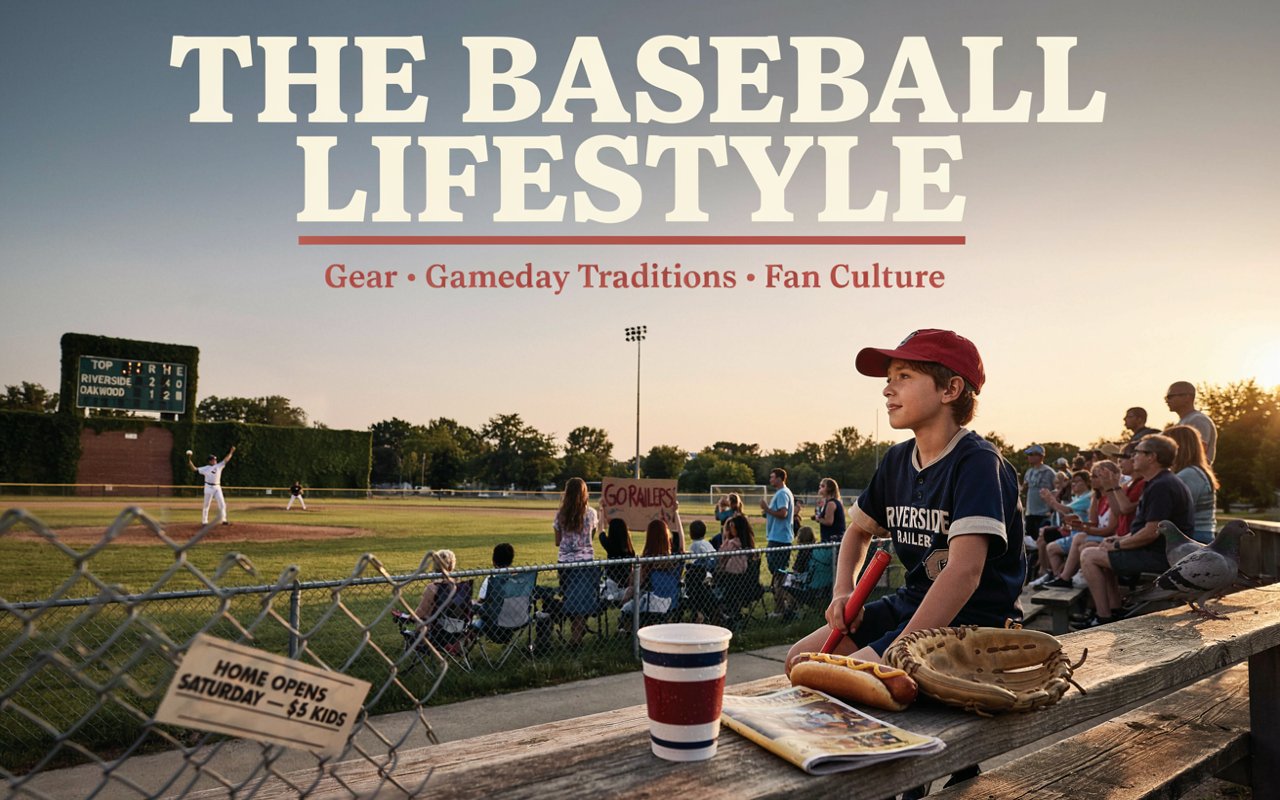
Baseball earned the nickname “America’s pastime” for a reason that goes beyond the game itself. A 162-game regular season stretched across six months creates something few other sports manage — a genuine daily rhythm, not just an occasional event circled on a calendar. That rhythm is really what the baseball lifestyle is built around: less about any single dramatic moment and more about the accumulated ritual of following a team through an entire season, one game at a time, the way you’d follow a long-running story rather than a single episode.
This guide looks at what actually makes up that lifestyle, from the gear serious fans invest in to the traditions that turn a simple game into something closer to a season-long relationship.
162 Games Changes Everything About How You Watch
Unlike sports built around a handful of high-stakes games each season, baseball’s sheer volume changes the relationship fans have with it. A single loss rarely feels catastrophic when there’s another game tomorrow, and a hot streak builds gradually rather than exploding all at once. That slower, longer arc tends to produce a different kind of fandom — one built on patience and daily habit rather than the concentrated intensity a shorter season demands. Baseball fans talk about the season the way people talk about a long-running show they’re following, checking in regularly rather than treating every single episode as make-or-break.
The Ballpark Experience Itself
Attending a game in person remains central to baseball culture in a way that’s arguably more pronounced than in other major sports, partly because the ballpark experience is built for lingering rather than rushing through. Between-inning breaks, a slower overall pace, and stadiums often designed with local food and regional character baked into the concourse experience all encourage fans to treat a game as an afternoon or evening out, not just something to watch and leave. Many stadiums have become genuine local landmarks in their own right, with architecture and traditions specific to that city woven into the experience in a way road trips built around visiting different ballparks have turned into their own subculture among devoted fans.
Gear That Signals Real Fandom
Casual fans might own a single team cap; serious fans build out a wardrobe and collection around the sport entirely. Authentic jerseys — game-worn replicas rather than generic fan gear — carry real significance among collectors, often tied to specific players, seasons, or moments rather than picked at random. Vintage and throwback gear has become its own dedicated category, with older logo designs and uniform styles from past decades holding genuine appeal beyond simple nostalgia, prized specifically because they represent eras the wearer may not have even watched live.
Beyond clothing, glove care sits at the center of a smaller but genuinely devoted community — properly breaking in and maintaining a baseball glove is treated as something close to a craft among players and serious fans alike, with specific oils, techniques, and patience required to get a glove to actually perform the way it’s supposed to.
Fantasy Baseball and the Modern Fan
Fantasy baseball has reshaped how a significant share of fans engage with the sport, turning what used to be passive team-following into active roster management across an entire league, not just the team someone grew up rooting for. This has created a layer of fandom that follows individual player performance closely, sometimes independent of team loyalty entirely, and it’s part of why baseball’s daily-game rhythm suits fantasy sports particularly well — there’s always fresh data to react to, unlike sports with much longer gaps between games.
Superstitions Baseball Fans Actually Take Seriously
Baseball culture has a long, well-documented relationship with superstition, both among players and fans. Rally caps, refusing to acknowledge a no-hitter in progress out loud, specific pregame rituals repeated exactly the same way — these aren’t treated as ironic jokes so much as genuinely observed traditions, passed down and adopted seriously by fans who’d never describe themselves as particularly superstitious in any other part of life. The sport’s statistical, methodical nature seems to coexist comfortably with this kind of ritual, rather than one canceling out the other.
Baseball Card Collecting Never Actually Went Away
Card collecting dipped out of mainstream attention for a while but never disappeared from serious baseball culture, and it’s seen a genuine resurgence in recent years, driven partly by nostalgia and partly by a renewed interest in collecting as both hobby and investment. Vintage cards from earlier eras carry significant value among collectors, while modern rookie cards get tracked and traded with real attention paid to player performance and long-term potential, turning collecting into an ongoing, active hobby rather than a one-time purchase.
It Usually Starts on a Local Diamond, Not a TV Screen
For a lot of fans, the baseball lifestyle didn’t start with a favorite MLB team — it started with youth baseball, a local Little League diamond, and a parent or coach who made the sport a weekly ritual long before any professional loyalty formed. That early, hands-on relationship with the game — actually playing it, not just watching it — tends to produce a different, often deeper kind of attachment than fandom that starts purely as a spectator. Community baseball leagues remain a genuine cultural institution in many towns, less about producing future professional players and more about the same rhythm and ritual that defines the sport at every level, just scaled down to a local field on a weekend morning.
The Concession Stand Is Part of the Ritual Too
Ballpark food carries its own cultural weight beyond simple concession-stand convenience. Regional specialties specific to individual stadiums have become genuine attractions in their own right, and the tradition of grilling and tailgating before a game — more associated with football culturally, but genuinely present in baseball fan culture too, especially around opening day and rivalry games — turns the pregame hours into as much a part of the experience as the game itself.
Following a Team Season After Season
What ultimately defines the baseball lifestyle isn’t any single game or gear purchase — it’s the accumulated habit of checking scores daily, following a team through inevitable losing streaks as well as hot ones, and treating a full season as a long-form story rather than a series of disconnected events. That kind of sustained attention, built up over months rather than concentrated into a handful of high-stakes weekends, is genuinely rare among major sports, and it’s a big part of why baseball fandom tends to feel different from the way people follow shorter, more condensed seasons elsewhere.
If sports and gear are part of a broader lifestyle you’re building around, our guide on healthy habits for work from home professionals covers how structured daily routines — the same underlying principle behind following a long baseball season — can shape everyday life well beyond sports specifically.
Frequently Asked Questions
Why is baseball called America’s pastime? The phrase reflects the sport’s long history as a cultural fixture in the U.S., along with its uniquely long season and daily rhythm, which creates a different kind of sustained, habitual fan engagement than shorter sports seasons typically produce.
What makes baseball card collecting appealing again? A mix of nostalgia, renewed interest in collecting as a hobby, and the investment potential of both vintage and modern rookie cards has driven a genuine resurgence in recent years.
Why do baseball fans take superstitions so seriously? Baseball has a long-documented cultural relationship with ritual and superstition, observed by both players and fans, and these traditions tend to get passed down and taken seriously even by people who aren’t particularly superstitious elsewhere in life.
Is attending games in person still central to baseball culture? Yes — the ballpark experience, built around a slower pace and often strong local character, remains a significant part of baseball fan culture, with stadium visits and ballpark food traditions treated as genuine attractions in their own right.
The Bottom Line
The baseball lifestyle isn’t really about any single game, jersey, or highlight reel moment — it’s built on the accumulated rhythm of a long season, the gear and traditions fans build up over years of following the sport, and a pace that rewards patience over instant gratification most other entertainment demands these days. That’s a genuinely different kind of fandom than most other sports produce, and it’s exactly why baseball culture has stayed as durable and distinct as it has.
For current team news, schedules, and statistics, MLB’s official site is the most authoritative source to check for up-to-date information.