
The Best Fluffy Pancakes recipe you will fall in love with. Full of tips and tricks to help you make the best pancakes.

Introduction
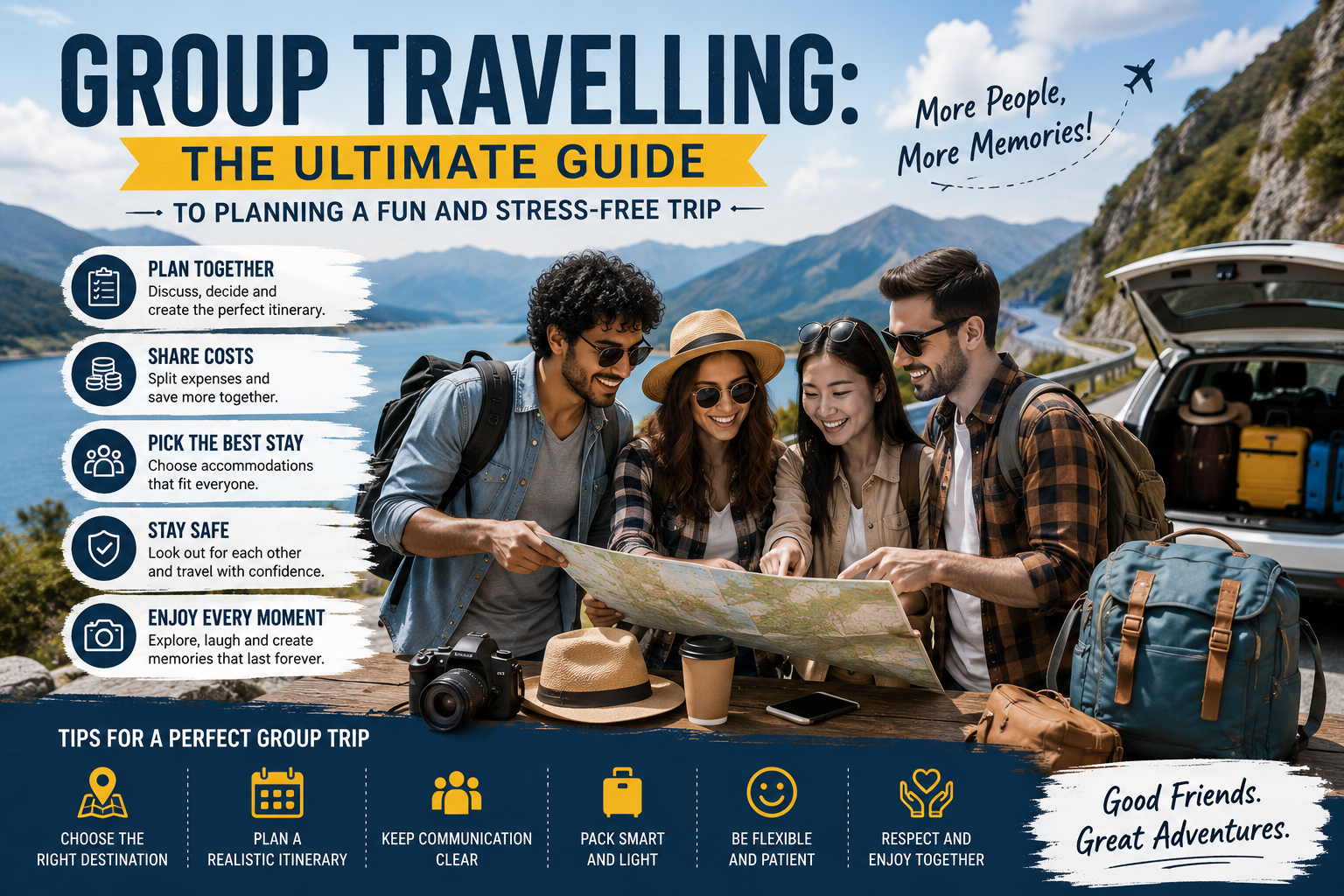
Traveling with friends, family, or colleagues can turn an ordinary vacation into an unforgettable adventure. Group travelling offers the opportunity to share experiences, reduce costs, and create lifelong memories together. Whether you’re planning a weekend getaway, an international vacation, or a corporate retreat, traveling as a group brings excitement that solo travel often can’t match.
However, organizing a successful group trip requires more than simply booking tickets. Different budgets, schedules, personalities, and travel preferences can make planning challenging. With the right preparation and communication, these challenges become much easier to manage.
In this guide, you’ll learn everything you need to know about group travelling, including planning tips, budgeting strategies, accommodation choices, transportation options, common mistakes to avoid, and practical advice for ensuring everyone enjoys the journey.
What Is Group Travelling?
Group travelling refers to any trip where multiple people travel together for a shared purpose. The group may include friends, family members, coworkers, classmates, sports teams, or organized tour participants.
Featured Snippet Answer
Group travelling is the practice of planning and enjoying a trip with two or more people, allowing travelers to share costs, experiences, responsibilities, and memorable moments throughout the journey.
Group trips are popular because they combine companionship with practical benefits such as lower expenses and easier access to group discounts.
Benefits of Group Travelling
Traveling with others offers several advantages beyond simply having company.
Shared Travel Costs
One of the biggest benefits is saving money. Expenses such as accommodation, transportation, fuel, and tour packages can often be divided among the group, making the trip more affordable.
Examples include:
- Splitting hotel rooms
- Sharing rental cars
- Booking group transportation
- Taking advantage of group tour discounts
These savings allow travelers to enjoy better experiences while staying within budget.
Better Safety
Traveling in a group provides an added sense of security, especially when exploring unfamiliar destinations. Group members can look out for one another, making it easier to handle emergencies or unexpected situations.
More Memorable Experiences
From trying local food to exploring famous attractions, shared experiences often become the most treasured travel memories. Celebrating special moments together makes the trip even more meaningful.
How to Plan a Successful Group Travelling Experience
Proper planning is the key to avoiding confusion and ensuring everyone enjoys the trip.
Choose the Right Destination
Select a destination that suits the group’s interests, budget, and available travel time.
Consider factors such as:
- Weather
- Travel distance
- Activities
- Accommodation availability
- Local transportation
- Overall cost
Discuss everyone’s preferences before making the final decision.
Set a Realistic Budget
Budget discussions should happen early to prevent misunderstandings later.
Include costs for:
- Transportation
- Hotels
- Meals
- Attractions
- Shopping
- Emergency expenses
Being transparent about spending expectations helps everyone feel comfortable.
Book Early
Booking flights, hotels, and activities several months in advance often provides better prices and more choices, especially during peak travel seasons.
Choosing the Best Accommodation
Accommodation plays a major role in the overall travel experience.
Hotels
Hotels provide convenience, daily housekeeping, and additional services such as breakfast and room service.
Best for:
- Business trips
- Family vacations
- Short stays
Vacation Rentals
Large apartments, villas, or vacation homes are excellent for groups.
Advantages include:
- Shared living space
- Full kitchen
- Lower cost per person
- Greater privacy
Vacation rentals also make it easier to spend quality time together after sightseeing.
Hostels
Modern hostels offer private family rooms and dormitories that work well for students and budget-conscious travelers.
Transportation Tips for Group Travelling
Choosing the right transportation keeps the journey smooth and organized.
Flights
Book flights together whenever possible to ensure everyone travels on the same schedule.
Rental Vehicles
For road trips or destinations with limited public transportation, renting a van or SUV may be the most practical option.
Public Transportation
Many cities offer affordable buses, trains, and metro systems that are ideal for groups.
Research local transportation passes before arrival to save money.
Communication and Teamwork
Good communication prevents many common travel problems.
Before departure:
- Create a shared itinerary.
- Exchange emergency contacts.
- Confirm meeting points.
- Discuss expectations.
- Share important travel documents digitally.
Using messaging apps helps everyone stay connected throughout the trip.
Common Challenges During Group Travelling
Even well-planned trips may face occasional disagreements.
Different Budgets
Not everyone has the same spending limits.
Select activities with a range of price options, making it easier for every traveler to join in without stretching their budget.
Different Interests
Some travelers enjoy museums while others prefer shopping or outdoor adventures.
Split into smaller groups for a few hours if necessary before meeting again later.
Scheduling Conflicts
Avoid creating an itinerary that’s too packed.
Leave free time for relaxation and personal exploration.
Essential Packing Tips
Packing smart makes group travel more enjoyable.
Bring:
- Travel documents
- Chargers and power banks
- Comfortable shoes
- Weather-appropriate clothing
- Basic medications
- Reusable water bottle
- Snacks
- Travel insurance documents
Coordinate shared items like toiletries, chargers, or first-aid kits to avoid unnecessary duplicates.
Frequently Asked Questions
What are the advantages of group travelling?
Group travelling helps reduce costs, improves safety, creates memorable experiences, and allows travelers to share responsibilities throughout the journey.
How do you organize a group trip?
Start by choosing a destination, setting a budget, booking transportation and accommodation early, creating a shared itinerary, and maintaining clear communication with everyone involved.
Is group travelling cheaper than solo travel?
In many cases, yes. Sharing accommodation, transportation, and other expenses often lowers the overall cost per person.
What is the ideal group size for traveling?
Groups of four to eight people usually offer a good balance between flexibility, affordability, and easy coordination, although the ideal size depends on the destination and travel style.
How can you avoid conflicts during a group trip?
Discuss budgets, expectations, and responsibilities before the trip, remain flexible during the journey, and respect each person’s preferences and personal space.
Conclusion
Group travelling is one of the most rewarding ways to explore new destinations. It combines adventure, shared experiences, and cost savings while creating memories that often last a lifetime. With thoughtful planning, open communication, and a flexible mindset, even large groups can enjoy smooth and stress-free vacations.
Whether you’re planning a family holiday, a getaway with friends, or a corporate retreat, start organizing early, agree on a realistic budget, and choose activities everyone can enjoy. A well-planned group trip isn’t just about reaching a destination—it’s about sharing unforgettable moments with the people who matter most.