
The Best Fluffy Pancakes recipe you will fall in love with. Full of tips and tricks to help you make the best pancakes.

Introduction
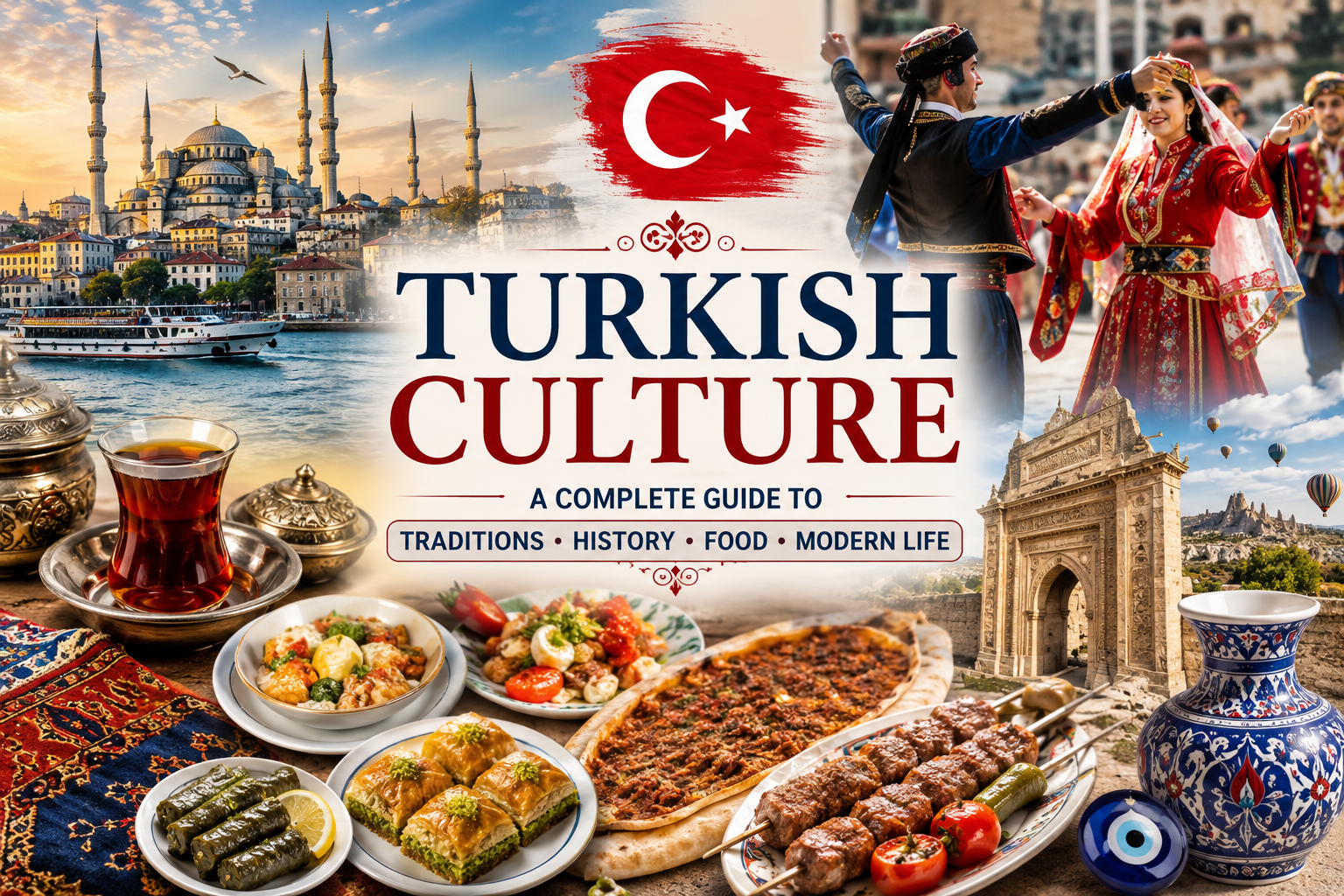
Turkish culture is a fascinating blend of ancient civilizations, rich traditions, and modern influences. Located at the crossroads of Europe and Asia, Turkey has developed a unique cultural identity shaped by centuries of history, trade, and diverse communities.
Whether you’re planning a trip to Turkey, studying its history, or simply curious about its customs, understanding Turkish culture can help you appreciate the country’s remarkable heritage. In this guide, you’ll discover Turkish traditions, family values, cuisine, festivals, arts, etiquette, and how modern life continues to shape this vibrant nation.
Featured Snippet: What Is Turkish Culture?
Turkish culture is a combination of historical traditions, Islamic heritage, diverse regional customs, and modern European influences. It is known for its hospitality, delicious cuisine, strong family values, colorful festivals, traditional arts, and rich history that spans thousands of years.
The History Behind Turkish Culture
Turkey’s cultural roots stretch back thousands of years. From the ancient civilizations of Anatolia to the Byzantine and Ottoman Empires, each era has contributed something valuable to the country’s identity.
The Ottoman Empire, which lasted for over six centuries, played a major role in shaping modern Turkish customs, architecture, cuisine, and social traditions. Today, the Republic of Turkey balances respect for its historical heritage with a forward-looking, modern outlook.
This rich historical background is visible everywhere—from centuries-old mosques and bustling bazaars to contemporary art galleries and modern city life.
Turkish Traditions and Family Values
Family remains the heart of Turkish society. Many important celebrations and everyday customs revolve around close relationships and mutual respect.
Respect for Elders
Older family members are highly respected. Younger people often greet elders warmly and value their advice and experience.
Hospitality
One of the most admired aspects of Turkish culture is hospitality. Visitors are frequently welcomed with tea, coffee, and homemade treats. Guests are treated with generosity, even if they arrive unexpectedly.
Community Spirit
Neighbors often help one another during celebrations, religious holidays, weddings, and times of need. This strong sense of community continues to play an important role in daily life.
Traditional Turkish Food and Dining Culture
Food is one of the most enjoyable ways to experience Turkish culture. Meals are often shared with family and friends, creating opportunities for conversation and connection.
Popular Turkish Dishes
Some well-known Turkish foods include:
- Kebabs
- Baklava
- Meze platters
- Lahmacun
- Pide
- Dolma
- Menemen
- Köfte
Turkey is also famous for its tea culture. Black tea is served throughout the day, while Turkish coffee remains an important symbol of hospitality and tradition.
Dining Etiquette
When eating with Turkish families:
- Wait until everyone is seated before starting.
- Accept tea or coffee when offered if possible.
- Compliment the host’s cooking.
- Meals are often relaxed and social rather than rushed.
Festivals and Celebrations in Turkish Culture
Turkey celebrates both national and religious events throughout the year.
National Holidays
Some important celebrations include:
- Republic Day
- National Sovereignty and Children’s Day
- Victory Day
- Youth and Sports Day
These holidays often feature parades, concerts, public ceremonies, and fireworks.
Religious Celebrations
Two of the most important Islamic festivals are:
- Eid al-Fitr (Ramazan Bayramı)
- Eid al-Adha (Kurban Bayramı)
Families gather, prepare special meals, visit relatives, and exchange gifts during these occasions.
Turkish Art, Music, and Architecture
Turkey’s artistic heritage reflects influences from Central Asia, the Middle East, Europe, and the Mediterranean.
Architecture
Turkey is home to remarkable architectural landmarks featuring domes, courtyards, intricate tilework, and elegant minarets. Historic mosques, palaces, and ancient ruins showcase centuries of architectural excellence.
Traditional Arts
Popular traditional crafts include:
- Turkish carpets and rugs
- Ceramic tile art
- Calligraphy
- Ebru (paper marbling)
- Handwoven textiles
Music and Dance
Traditional Turkish music uses distinctive instruments such as the saz and ney. Folk dances vary across regions, while modern Turkish pop music has gained international popularity.
Modern Turkish Culture Today
Modern Turkey combines historical traditions with contemporary lifestyles.
Major cities like Istanbul, Ankara, and Izmir feature:
- Modern shopping districts
- International restaurants
- Technology startups
- Universities
- Art museums
- Fashion events
Young generations embrace global trends while continuing to celebrate cultural traditions, family gatherings, and national holidays.
This balance between tradition and innovation makes Turkish culture both dynamic and deeply rooted.
Turkish Customs Every Visitor Should Know
Understanding local etiquette can make your visit more enjoyable.
Dress Respectfully
While major cities are generally modern, modest clothing is appreciated when visiting religious sites.
Remove Shoes Indoors
Many Turkish households ask guests to remove their shoes before entering.
Learn Basic Greetings
Simple phrases like “Merhaba” (Hello) and “Teşekkür ederim” (Thank you) are appreciated and help create positive interactions.
Respect Local Customs
During religious holidays or visits to mosques, follow local guidelines regarding behavior and photography.
Why Turkish Culture Attracts Visitors Worldwide
Millions of travelers visit Turkey each year because it offers much more than beautiful scenery.
Visitors enjoy:
- Rich historical landmarks
- World-famous cuisine
- Friendly local communities
- Diverse landscapes
- Traditional markets
- Unique blend of East and West
- Vibrant arts and cultural experiences
Whether exploring ancient ruins, relaxing along the coast, or enjoying a family meal, travelers often find Turkish hospitality to be one of the country’s most memorable qualities.
Frequently Asked Questions
What is Turkish culture known for?
Turkish culture is known for its hospitality, strong family values, rich history, delicious cuisine, traditional arts, and unique blend of European and Asian influences.
What food represents Turkish culture?
Popular cultural dishes include kebabs, baklava, pide, meze, dolma, köfte, and Turkish tea and coffee.
Is Turkish culture family-oriented?
Yes. Family relationships are central to Turkish society, with respect for elders and close family connections playing an important role.
Why is Turkish hospitality famous?
Guests are warmly welcomed, often with tea, coffee, and homemade food. Hospitality is considered a source of pride and an important cultural value.
Conclusion
Turkish culture offers a remarkable combination of history, tradition, hospitality, and modern living. From its flavorful cuisine and colorful festivals to its strong family values and architectural wonders, Turkey provides a cultural experience unlike any other.
Whether you’re preparing for a trip, researching world cultures, or simply expanding your knowledge, learning about Turkish culture helps you better understand one of the world’s most historically significant and welcoming societies.
Ready to explore more world cultures? Browse our travel and culture guides to discover fascinating traditions, cuisines, and destinations from around the globe.