
The Best Fluffy Pancakes recipe you will fall in love with. Full of tips and tricks to help you make the best pancakes.

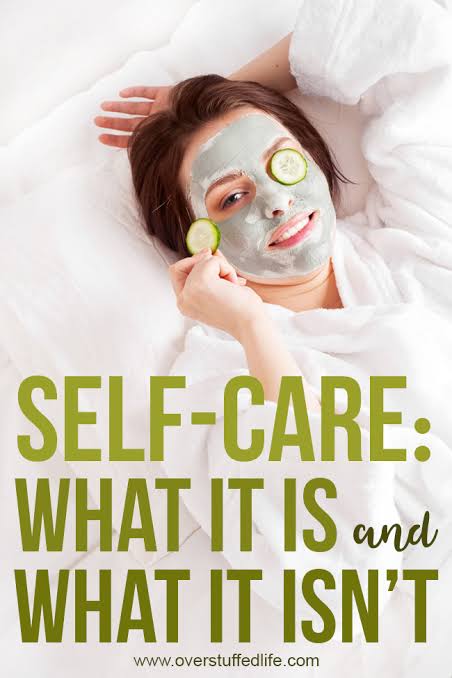
Type “self care” into any search bar and you’ll mostly find bubble baths, face masks, and scented candles. That imagery isn’t wrong exactly, but it’s incomplete — and for a lot of people, it’s made self care feel like a purchasable aesthetic rather than something with real substance. Genuine self care is broader, more practical, and considerably less Instagram-friendly than the marketing around it suggests.
This guide breaks down what self care actually covers, the different dimensions of it that are often overlooked, and how to build it into a life that doesn’t have room for daily spa days.
Self Care Isn’t One Thing — It’s Several
Self care is often treated as a single category, but it’s more accurate to think of it as several distinct dimensions, each addressing a different part of your wellbeing. Neglecting one dimension while over-focusing on another — spending heavily on physical self care while ignoring social connection, for example — often leaves people feeling like they’re “doing self care” without actually feeling better.
The Physical Dimension
This covers the most commonly recognized form of self care: sleep, nutrition, movement, and basic health maintenance like doctor visits and hygiene. It’s also the dimension most directly tied to how capable you feel day to day, since physical exhaustion or poor health makes every other area of life harder to manage. Sleep in particular tends to have an outsized effect — poor sleep quietly undermines mood, focus, and stress tolerance in ways that are easy to underestimate until it’s addressed.
The Emotional Dimension
Emotional self care means acknowledging and processing your feelings rather than suppressing or ignoring them — through journaling, therapy, talking with someone you trust, or simply allowing yourself to feel something difficult without immediately trying to fix or distract from it. This dimension is often the most neglected, partly because it doesn’t produce a visible result the way a workout or a clean kitchen does, but its absence tends to show up eventually as irritability, numbness, or burnout.
The Social Dimension
Maintaining relationships and a sense of connection is consistently linked to better mental and even physical health outcomes, yet it’s frequently the first thing to get cut when life gets busy. Social self care doesn’t require an active social calendar — it can be as simple as a regular phone call with a close friend or family member, or protecting time for people who genuinely support you rather than draining you.
The Mental Dimension
This covers how you engage your mind outside of obligations — learning, reading, creative projects, or simply mental rest from constant problem-solving and decision-making. Mental self care also includes setting boundaries around information intake, since constant news consumption or scrolling can quietly function as a form of chronic low-grade stress rather than actual rest.
The Practical Dimension
Often overlooked entirely, practical self care means handling the logistics of your life — bills, appointments, a reasonably organized living space — before they become sources of stress. A cluttered, disorganized environment or a stack of avoided tasks can quietly undermine every other dimension of self care, since unresolved practical stress tends to sit in the background even during moments meant for rest.
What Self Care Actually Isn’t
It’s not the same as avoidance. Skipping responsibilities to scroll social media might feel like self care in the moment, but if it leaves you feeling worse afterward and creates more stress later, it’s avoidance wearing self care’s language, not genuine care for yourself.
It’s not inherently expensive. The most research-backed forms of self care — sleep, movement, connection, boundaries — are largely free. Spending money can be part of self care, but it was never a requirement, despite how it’s often marketed.
It’s not selfish. Taking care of your own needs generally makes you more capable of showing up well for the people and responsibilities in your life, not less — the “you can’t pour from an empty cup” framing exists because it’s genuinely accurate for most people.
It’s not a one-time event. A single spa day or vacation can feel restorative, but sustainable wellbeing comes from consistent, smaller habits woven into regular life, not occasional large gestures that don’t change your everyday patterns.
Building a Self Care Practice That Actually Fits Your Life
Rather than trying to address every dimension at once, it’s often more sustainable to identify which one or two areas are currently the most neglected in your life and start there. Someone who already exercises regularly and eats reasonably well but hasn’t had a real conversation with a friend in weeks needs different self care than someone who’s socially fulfilled but chronically sleep-deprived — the same generic checklist doesn’t serve both people equally well.
If budget is a genuine constraint, our guide on building a self care routine on a budget breaks down specific, low-cost ways to practice self care across these different dimensions without needing to spend money you don’t have.
Why Self Care Became a Buzzword — and What Got Lost Along the Way
Self care as a concept has existed in medical and psychological contexts for decades, originally referring to basic health maintenance for patients managing chronic conditions. Its more recent popularization through social media reshaped it into something closer to a lifestyle aesthetic — often product-driven and visually curated — which, while not inherently wrong, narrowed public understanding of the concept considerably. The original, broader meaning never disappeared; it just got overshadowed by the more marketable, photogenic version of it.
Self Care and Mental Health: Where the Line Is
Self care habits genuinely support everyday mental health and stress management, but they aren’t a substitute for professional treatment when it’s needed. If persistent anxiety, depression, or another mental health condition is affecting your daily functioning, self care practices work best alongside professional support, not as a replacement for it. It’s a common and understandable misconception that “enough” self care should be able to resolve any mental health struggle — for many conditions, it genuinely isn’t sufficient on its own, and that’s not a personal failure.
Recognizing When You’re Actually Neglecting Self Care
A few common signs suggest one or more dimensions of self care have been neglected for a while: persistent low energy despite adequate sleep, increasing irritability over small things, a sense of numbness or disconnection from things you’d normally enjoy, or noticing you can’t remember the last time you did something purely for yourself with no productivity goal attached. None of these signs point to a specific diagnosis on their own, but they’re worth taking as a signal to check in with which dimension of self care might need attention, rather than pushing through and hoping it resolves on its own.
Common Self Care Myths Worth Retiring
Myth: Self care has to feel indulgent to count. Some of the most effective self care habits — sleep, boundaries, addressing practical stressors — aren’t glamorous, but they matter far more for long-term wellbeing than an occasional treat.
Myth: You need a lot of free time for self care to matter. Many effective self care practices take just a few minutes. Consistency in small amounts of time tends to matter more than rare, large blocks of time.
Myth: Self care looks the same for everyone. What genuinely restores one person (quiet time alone) might drain another (who needs social connection to recharge). Self care that actually works has to be personalized, not copied from someone else’s routine.
Frequently Asked Questions
What are the main types of self care? Physical, emotional, social, mental, and practical are commonly recognized dimensions, each addressing a different part of overall wellbeing. Most people find one or two dimensions are more neglected than others at any given time.
Is self care selfish? No — taking care of your own basic needs generally makes you more capable of showing up well for work, relationships, and responsibilities, rather than taking away from them.
How do I know which type of self care I need most? Look at which areas of your life feel most neglected or draining right now — persistent exhaustion points toward physical self care, feeling emotionally numb or overwhelmed points toward emotional self care, and so on.
Can self care replace therapy or professional mental health treatment? No. Self care supports everyday wellbeing, but it isn’t a substitute for professional treatment when a mental health condition is present. The two work best together, not as alternatives.
Conclusion
Self care is broader and more practical than the bubble-bath imagery it’s often reduced to — it spans physical, emotional, social, mental, and practical dimensions of your life, and neglecting any one of them tends to show up eventually, even if the others are well cared for. Rather than chasing a generic self care checklist, identifying which dimension is currently most neglected in your own life, and starting there, tends to produce far more meaningful results than trying to do everything at once.
According to the World Health Organization’s guidance on self-care interventions, self care is recognized globally as a legitimate, evidence-supported component of overall health management, not just a wellness trend.