
The Best Fluffy Pancakes recipe you will fall in love with. Full of tips and tricks to help you make the best pancakes.

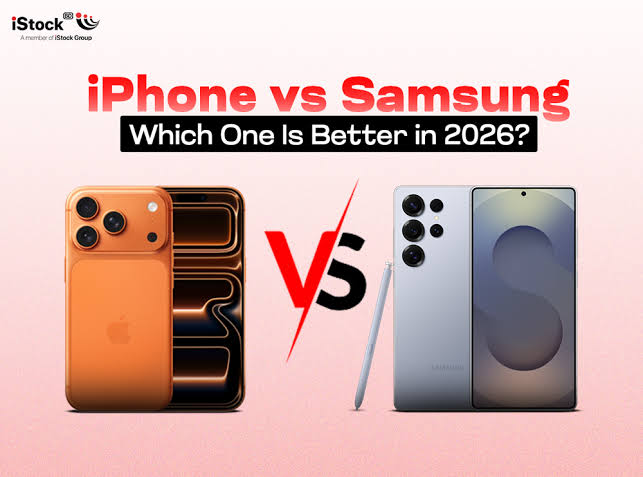
The iPhone vs Samsung debate has outlasted entire product categories at this point, and no single spec sheet is going to settle it once and for all. Both companies make genuinely excellent flagship phones — the real deciding factor almost never comes down to a hardware edge one has over the other, and almost always comes down to your existing habits, ecosystem, and what you actually prioritize day to dayover the other in a given year.
This guide focuses on the practical differences that actually matter—not just megapixels or benchmark numbers—so you can choose the one that best matches your needs and everyday use.
iPhone works especially well with Apple devices such as Mac, iPad, Apple Watch, and AirPods, creating a connected experience through features like Handoff, AirDrop, and iMessage. If you already rely on a MacBook or iPad, choosing an iPhone can make your entire setup feel more unified, effortless, and convenient.
Camera Philosophy: Different, Not Simply “Better”
Software Longevity and Updates
Both Apple and Samsung have made long-term software support a bigger priority, giving buyers more value over the life of their phones. Apple has traditionally offered iPhones several years of iOS updates, while Samsung has significantly expanded support for its flagship Galaxy S models, narrowing the gap and making long-term ownership more appealing for Android users.
Before making a purchase, check the latest official update policy for the exact model you’re considering, as software-support terms can vary from one generation to the next.
Customization: iOS vs Android
This is still one of the clearest differences between the two platforms. Android, including Samsung’s One UI, gives you far more freedom to personalize the experience, from default apps and flexible widgets to deeper system-level controls. iOS has steadily added more customization features, but it remains more structured by design, favoring simplicity, consistency, and a polished user experience over extensive flexibility.
If you like customizing your phone’s appearance and behavior, Samsung and Android give you considerably more freedom to experiment. If you’d rather have a streamlined, predictable experience that requires little setup or adjustment, the iPhone’s more controlled approach may be the better fit.
Price and Value Across the Lineup
Both Apple and Samsung cater to different budgets, offering more than just their high-end flagship phones. Standard iPhone models and Samsung’s regular Galaxy S devices often compete in a similar price range, while the iPhone Pro Max and Galaxy S Ultra sit at the premium end. Samsung also has a broader selection of mid-range Galaxy A models, giving Android shoppers more choices across different budgets than Apple’s relatively focused iPhone lineup.
[CHECK BEFORE PUBLISHING: Verify the latest flagship model names and official starting prices for both Apple and Samsung, as pricing and lineups can change by generation and region.] (apple.com)
Battery Life and Charging
Samsung Galaxy flagships often come with larger batteries on paper, but battery capacity alone doesn’t tell the whole story. In everyday use, iPhone and Galaxy models can deliver surprisingly similar endurance because iOS and Android manage power differently. Samsung has also traditionally held an edge in charging speeds, while both brands offer convenient wireless charging options.
Privacy and Security Approach
Apple has made privacy a key part of its product philosophy, with iOS generally taking a more restrictive approach to data sharing, app permissions, and tracking by default, giving users greater control over how their personal information is accessed app tracking controls out of the box. Samsung, running Android, generally offers more granular manual control if you’re willing to dig into settings, but defaults tend to be less restrictive than iOS out of the box. Neither platform is inherently insecure — both receive regular security updates — but if privacy-by-default matters more to you than manual control, that’s a genuine, consistent difference between the two ecosystems worth factoring into your decision.
What About Foldables?
Foldable phones have moved from a novelty to a legitimate third option in this debate. Samsung has the more mature foldable lineup, with multiple generations of its book-style and flip-style foldables refining hinge durability and software optimization for the unfolded screen. Apple has not released a foldable iPhone as of this writing, meaning foldables remain an Android-exclusive consideration for now — worth factoring in if a larger unfolded screen or a more compact folded form factor genuinely appeals to you, since it’s not a choice iPhone currently offers at all.
[CHECK BEFORE PUBLISHING: Confirm whether Apple has announced or released a foldable iPhone since this was written, as this is one of the more closely watched rumors in the industry.]
Which Should You Choose? A Simple Framework
Choose iPhone if:
Choose Samsung if:
- You value extensive customization and want greater freedom to personalize how your phone looks, feels, and works.
- You rely on a Windows PC and want convenient features for connecting your phone with your computer.
- A vibrant, high-quality display is a priority, making Samsung’s renowned AMOLED panels especially appealing.
- You want more freedom to choose your price point, with options ranging from affordable Galaxy A models to premium flagship devices.
Common Myths About iPhone vs Samsung
Myth: One brand is universally better than the other. Both Apple and Samsung produce outstanding flagship phones, and the better choice ultimately comes down to your ecosystem, priorities, and personal preferences—not a simple difference in overall quality.
Myth: iPhones never slow down, while Android phones always do. Both platforms can experience performance drops over time, often influenced by battery aging, storage, software updates, and overall device usage—not simply by whether the phone runs iOS or Android.
Myth: Samsung phones are always more affordable. Samsung offers a wider selection of budget and mid-range devices, but its premium Galaxy S Ultra flagships can reach price levels similar to—or even higher than—comparable iPhone Pro models.
Switching Ecosystems: What to Know
If you’re considering switching from iPhone to Samsung or vice versa, both companies offer official tools to transfer photos, contacts, and messages (Apple’s “Move to iOS” and Samsung’s “Smart Switch”), which have made switching considerably easier than it used to be. The bigger adjustment tends to be relearning app-specific gestures and settings rather than losing your actual data, and most users adapt within the first week or two of regular use. One thing worth planning for specifically: group chats with iPhone-only friends rely heavily on iMessage, and messages from Android users can appear differently in those threads, which is a small but real social friction some switchers don’t anticipate until after they’ve made the change.
If you’re expanding your tech setup beyond your smartphone, our smart home technology guide explores how choosing between iOS and Android can influence device compatibility, connectivity, and the smart-home products that fit best with your ecosystem home devices integrate most smoothly with your setup.
Frequently Asked Questions
Which phone has better cameras, iPhone or Samsung?
Neither is universally better. iPhone generally delivers natural-looking colors and consistent image processing, while Samsung often emphasizes vibrant tones, detailed zoom, and a more dramatic look. Your ideal choice ultimately depends on the type of photos you enjoy taking and the style you prefer.
Is it hard to switch from iPhone to Samsung? Not particularly. Official transfer tools handle most of the data migration, though it typically takes a week or two to adjust to a different operating system’s gestures and settings.
iPhones have traditionally retained their resale value better than many Android phones, including Samsung models, thanks in part to longer software support, strong brand demand, and a healthy secondhand market.
Do I have to stick with one ecosystem after choosing a phone?
Not necessarily. You can mix Apple and Android devices, but the more ecosystem-specific products you own—such as a smartwatch, tablet, or wireless earbuds—the more you may notice limitations when switching platforms. Native features and device-to-device integration tend to work best when your products are built around the same ecosystem.
Conclusion
The iPhone vs. Samsung choice in 2026 is less about declaring an overall winner and more about finding the phone that matches your daily habits. iPhone makes the most sense if you’re already invested in Apple’s ecosystem, while Samsung stands out for users who want greater customization, broader device compatibility, and more flexibility across price ranges.
For the latest hands-on testing and real-world smartphone comparisons, The Verge’s phone reviews are a useful resource for checking current flagship performance before making your final choice.