The Best Fluffy Pancakes recipe you will fall in love with. Full of tips and tricks to help you make the best pancakes.

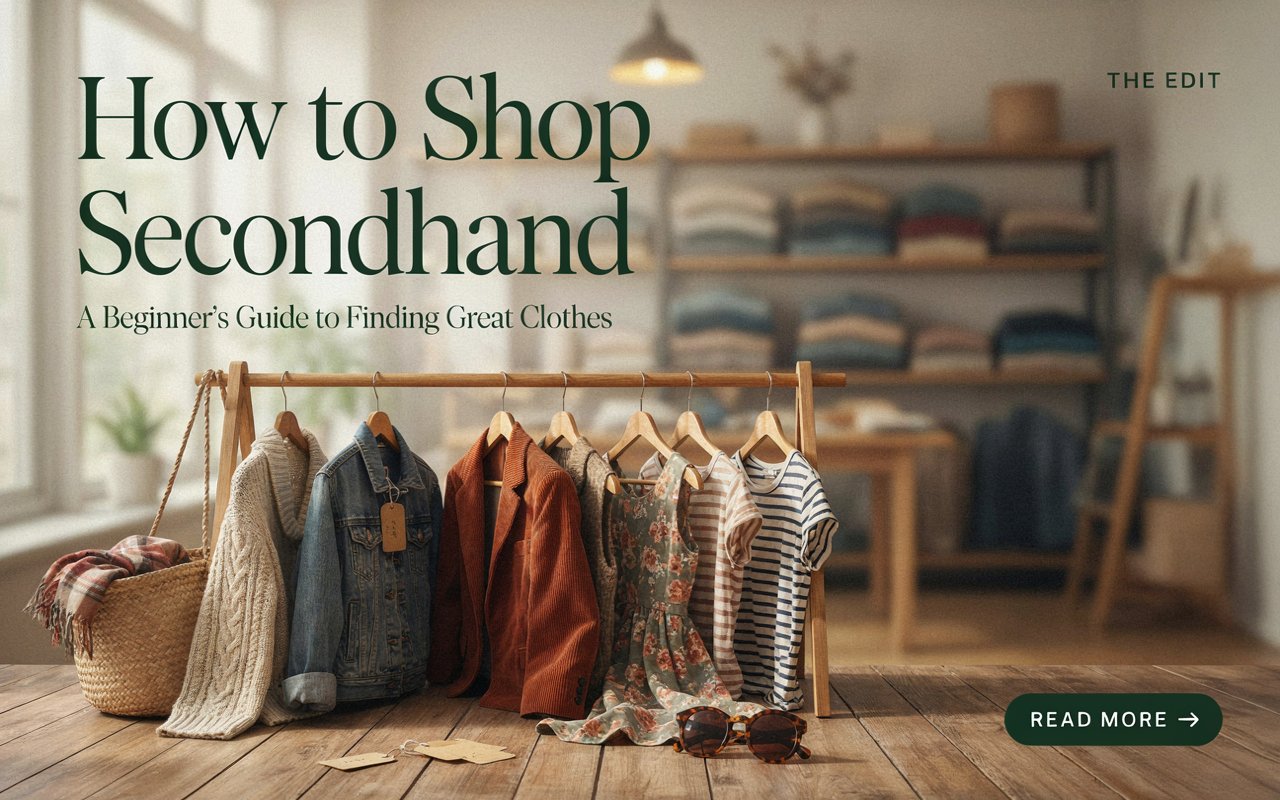
H2: How to Shop Secondhand Without Overspending
Shopping secondhand can be one of the easiest ways to find interesting clothes without paying full retail prices. But if you’re new to thrift stores or resale apps, the experience can also feel overwhelming.
You may find a great jacket on one rack and something completely unwearable a few minutes later. Sizes can vary, items may show signs of wear, and the best pieces aren’t always obvious at first glance.
The good news is that learning how to shop secondhand doesn’t require years of experience.
You mainly need to know what to look for, what to avoid, and when a bargain is actually worth buying.
This guide covers practical secondhand shopping tips, from checking clothing quality and finding the right fit to comparing prices and safely buying from online sellers.
Why Shop Secondhand?
Secondhand shopping isn’t only about finding cheaper clothes.
For many shoppers, it’s also a way to discover better-quality pieces, unique styles, older designs, and clothing that may no longer be available in regular stores.
You can also make your shopping more intentional by looking for pieces that genuinely fit your wardrobe instead of buying something simply because it’s inexpensive.
If you’re trying to build a smaller and more versatile closet, our guide on how to build a capsule wardrobe on a budget can help you decide which secondhand pieces are actually worth adding.
The biggest advantage is choice. Instead of limiting yourself to what’s currently available in retail stores, secondhand shopping gives you access to clothing from different seasons, brands, styles, and price ranges.
Decide What You’re Looking For Before You Shop
Walking into a thrift store without any plan can quickly turn into buying things you don’t really need.
Before shopping, think about what your wardrobe is actually missing.
Maybe you need:
- A quality everyday jacket
- A pair of jeans that fits properly
- A neutral sweater
- A work-friendly blazer
- Basic shirts
- Shoes for everyday wear
- A statement piece for special occasions
Having a rough shopping list doesn’t mean you have to ignore unexpected finds.
It simply gives you something to compare those finds against.
A useful rule is to ask yourself:
Would I still want this if it wasn’t on sale?
If the answer is no, there’s a good chance you’re buying because of the price rather than because the item genuinely works for you.
Thrift Stores vs. Online Resale Platforms
There are two main ways to shop secondhand: physical stores and online resale platforms.
Both have advantages.
Shopping at Physical Thrift Stores
Thrift stores allow you to inspect clothing yourself before buying.
You can:
- Feel the fabric
- Check seams
- Try on clothing
- Inspect stains
- Test zippers
- Look closely at wear
- Compare several similar pieces
The downside is that inventory can be unpredictable.
You may spend an hour searching and find nothing that works. On another visit, you might discover several excellent pieces within minutes.
That’s simply part of secondhand shopping.
Buying From Online Resale Platforms
Online resale platforms are often easier when you’re looking for something specific.
You can usually search by:
- Brand
- Size
- Category
- Color
- Condition
- Price
- Style
However, online shopping requires more caution because you cannot physically inspect the item before purchasing.
The FTC recommends checking seller information, reviews, item descriptions, return policies, and payment protections before buying through an online marketplace.
Always look at photos of the actual item, not just stock images.
Learn How to Check Clothing Quality
One of the most important secondhand shopping skills is learning how to recognize quality.
Don’t judge a garment only by its brand name or appearance from a distance.
Look closely at the construction.
Check the Fabric
Look at the material label and consider how the fabric feels.
Cotton, wool, linen, and silk can be excellent finds, but the fiber itself doesn’t automatically guarantee quality. The condition and construction still matter.
Check for:
- Excessive pilling
- Thinning fabric
- Stretching
- Fading
- Holes
- Strange odors
- Heavy wear
A beautiful-looking sweater isn’t a bargain if it already feels close to falling apart.
Inspect the Seams
Turn the garment inside out when possible.
Look for loose stitching, gaps, pulled seams, or areas that appear weak.
Pay particular attention to places that receive heavy wear, such as:
- Underarms
- Crotch seams
- Inner thighs
- Cuffs
- Collars
- Pockets
Small issues can sometimes be repaired, but major structural damage may not be worth the cost.
Test Zippers, Buttons, and Closures
Before buying, make sure zippers move properly and buttons are secure.
Check snaps, hooks, buckles, and other closures too.
A missing button may be an easy fix. A damaged zipper or complicated closure could require more time and money than the item is worth.
Don’t Trust the Size Tag Alone
One of the biggest differences between secondhand and regular retail shopping is inconsistent sizing.
A medium from one brand may fit completely differently from a medium from another.
Older clothing can be even more unpredictable because sizing standards have changed over time.
That’s why you should focus on measurements and actual fit, not just the label.
When shopping online, compare the seller’s measurements with a similar piece you already own that fits well.
For trousers, pay attention to:
- Waist
- Rise
- Inseam
- Leg opening
For shirts and jackets, check:
- Chest
- Shoulder width
- Sleeve length
- Overall length
This simple habit can prevent a lot of disappointing purchases.
Know What Is Worth Paying More For
Not every secondhand item needs to be extremely cheap.
Sometimes paying a little more for a well-made garment is the better decision.
A high-quality wool coat for $80 may be a much better purchase than three low-quality jackets at $25 each.
Think about cost per wear, not just the price at checkout.
If you buy a $60 jacket and wear it 100 times, the cost per wear is only $0.60.
That doesn’t mean expensive items are automatically better.
It means the best secondhand purchase is usually the one that combines:
Good quality + good fit + useful style + reasonable price
Compare the Price Before Buying
A secondhand item isn’t automatically a bargain just because it’s used.
Before buying an expensive brand or designer piece, check its current retail price and compare similar listings.
You should also consider:
- Condition
- Age
- Brand
- Material
- Rarity
- Alteration costs
- Shipping
- Return policy
This matters especially when buying online.
The FTC recommends checking the total cost, including shipping and other fees, and reviewing the seller’s policies before completing an online purchase.
A $40 item with $20 shipping isn’t necessarily a $40 bargain.
Build a Secondhand Shopping Strategy
Once you know what you’re looking for, shopping becomes much easier.
If you’re using an online resale platform, save searches for specific brands, sizes, and clothing categories.
For example, instead of searching for:
“jacket”
try:
“men’s wool navy blazer size 40”
The more specific your search, the easier it becomes to filter out items that aren’t relevant.
At physical thrift stores, learn which sections are most useful to you.
You don’t need to inspect every single item.
Focus your attention on categories that match your wardrobe needs.
Don’t Buy Something Just Because It’s Cheap
This is one of the most important secondhand shopping rules.
A $10 shirt isn’t a good deal if you never wear it.
Cheap purchases can quickly create the same problem that secondhand shopping is supposed to solve: an overcrowded wardrobe full of clothes you don’t actually use.
Before buying, ask yourself:
Would I wear this regularly?
Does it fit my lifestyle?
Would I buy it at a higher price if it were in better condition?
If the answers are mostly no, leave it behind.
Give Good Pieces a Chance With Alterations
Sometimes a secondhand item is almost perfect but doesn’t fit exactly right.
That doesn’t always mean you should reject it.
A pair of trousers may only need hemming. A jacket could look much better after adjusting the sleeves. A shirt that is slightly oversized may work perfectly with the right styling.
Simple alterations can turn a nearly-right secondhand find into something you’ll actually wear.
However, don’t buy something that requires extensive work just because you like the potential.
Estimate the alteration cost before making the purchase.
Be Careful With Online Sellers
Online secondhand shopping can be convenient, but it comes with additional risks.
Before buying, check:
- Seller ratings
- Recent reviews
- Actual item photos
- Item description
- Measurements
- Return policy
- Shipping cost
- Payment options
Be cautious if a seller refuses to provide additional photos or answers to basic questions.
You should also avoid payment methods that remove buyer protections. The FTC warns consumers against sellers who insist on payment methods that make it difficult to recover money if something goes wrong.
For expensive items, don’t let an unusually low price pressure you into making a rushed decision.
If something looks too good to be true, take a closer look before paying.
Wash and Inspect Your Secondhand Finds
Once you bring an item home, don’t immediately add it to your wardrobe.
Inspect it again under good lighting.
Look for anything you may have missed in the store.
Then clean it according to the garment’s care instructions.
Some fabrics need gentle washing or professional cleaning, while others can be washed normally.
Proper care matters because a great secondhand purchase is only valuable if you can keep it in good condition.
Common Secondhand Shopping Mistakes
Buying Only Because of the Brand
A famous label doesn’t automatically make an item worth buying.
Fit, condition, construction, and usefulness still matter.
Ignoring Small Damage
A tiny stain or loose seam might look harmless in a store, but it can become a bigger problem later.
Forgetting Your Existing Wardrobe
Before buying, think about what the item can actually be worn with.
A unique piece that works with nothing else may spend most of its life hanging in your closet.
Expecting Every Shopping Trip to Be Successful
Secondhand inventory changes constantly.
Sometimes you’ll find something amazing. Sometimes you won’t find anything.
That’s normal.
Buying Too Much
Finding inexpensive clothing can be exciting, but don’t let low prices convince you to buy more than you need.
The goal isn’t to own more secondhand clothes.
It’s to find better pieces for your wardrobe.
Frequently Asked Questions
Is secondhand shopping cheaper than buying new clothes?
It can be, especially when you compare used items with similar new products. However, secondhand doesn’t automatically mean cheap, so compare the item’s condition, quality, and total cost before buying.
How do I know if secondhand clothing is good quality?
Inspect the fabric, seams, stitching, high-wear areas, zippers, buttons, and closures. Also check for stains, odors, holes, and excessive wear.
Should I try secondhand clothes before buying them?
Yes, whenever possible. Trying clothing on is one of the easiest ways to avoid buying something that doesn’t fit properly.
What should beginners buy secondhand?
Start with versatile items such as jackets, denim, sweaters, coats, shirts, and accessories. Focus on pieces that fit your existing wardrobe and can be worn regularly.
Is online secondhand shopping safe?
It can be, but you should research the seller, inspect listing photos, read the description and return policy, and use a payment method that offers appropriate protections.
Should I wash secondhand clothes before wearing them?
Yes. Cleaning secondhand clothing before wearing it is a sensible habit, even when the item appears clean.
The Bottom Line
Learning how to shop secondhand is less about luck and more about developing a good eye.
Know what you need before you start shopping, inspect clothing carefully, don’t rely only on size labels, compare prices, and think about whether an item genuinely fits your lifestyle.
The best secondhand finds aren’t necessarily the cheapest ones.
They’re the pieces that offer a combination of quality, fit, versatility, condition, and value.
Start slowly, learn from each shopping trip, and don’t feel pressured to buy something every time you visit a thrift store.
A great secondhand wardrobe is built through thoughtful choices, not a closet full of random bargains.