
The Best Fluffy Pancakes recipe you will fall in love with. Full of tips and tricks to help you make the best pancakes.

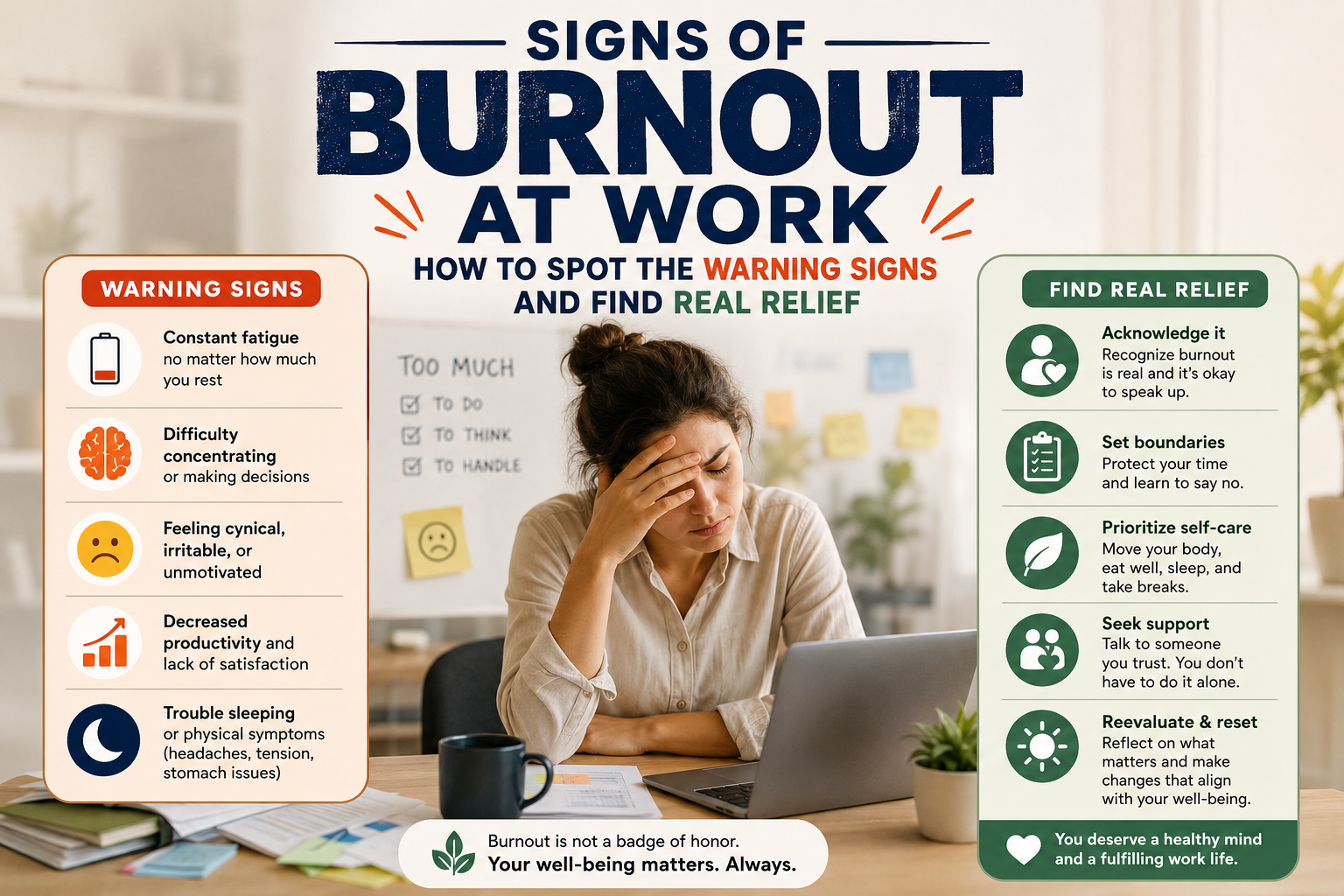
Burnout gets used loosely these days, thrown around for anything from a rough week to genuine, sustained exhaustion. That looseness makes it harder to recognize when it’s actually happening to you, since the word has been stretched thin enough to lose some of its meaning. Burnout, as it’s actually defined by researchers who study workplace stress, is a specific pattern — chronic, unaddressed work stress that builds into exhaustion, detachment, and a real drop in how effective you feel, not just a bad Tuesday.
This guide covers what genuine burnout actually looks like, why it builds the way it does, and what tends to help once you recognize it in yourself.
Exhaustion That Sleep Doesn’t Actually Fix
Ordinary tiredness responds to rest — a good night’s sleep, a weekend off, and you’re mostly back to normal. Burnout-related exhaustion behaves differently. It’s a deeper, more persistent depletion that doesn’t fully lift even after adequate sleep or time away from work, because it’s not purely physical fatigue — it’s the cumulative weight of sustained stress that hasn’t had a chance to actually resolve. If you’re noticing that rest isn’t restoring you the way it used to, that gap between “tired” and “still exhausted after resting” is one of the clearer signals something beyond normal fatigue is going on.
Growing Distance From Work You Used to Care About
A creeping cynicism toward work — feeling detached from a job that used to matter, going through the motions rather than genuinely engaging, or developing a harsher, more negative attitude toward colleagues or the work itself — is one of burnout’s more recognizable patterns. This isn’t the same as simply disliking a specific task or having an off week. It’s a broader emotional withdrawal, often accompanied by irritability that shows up even in situations that wouldn’t normally bother you, a sign that emotional reserves are running lower than usual.
A Real Drop in How Capable You Feel
Alongside exhaustion and detachment, burnout typically brings a genuine sense of reduced effectiveness — struggling to concentrate, making more mistakes than usual, or feeling like tasks that used to be manageable now take considerably more effort to complete. This can create a discouraging loop: feeling less capable adds its own stress on top of whatever caused the burnout in the first place, and that added stress makes the underlying exhaustion and detachment worse, which further erodes performance.
When Burnout Shows Up in Your Body
Burnout doesn’t stay contained to mood and motivation — it shows up physically too, often in ways that get written off as unrelated. Frequent headaches, stomach issues, changes in appetite, and a noticeably weaker immune system (getting sick more often than usual) are all commonly linked to chronic stress. Sleep itself often becomes affected in a frustrating, circular way — trouble falling or staying asleep despite genuine exhaustion, which then compounds the very exhaustion driving the burnout to begin with.
When Work Stress Starts Draining the Joy From Everything Else
One of the more telling signs of burnout is when the withdrawal doesn’t stay confined to the job — hobbies, social plans, and activities that used to feel genuinely enjoyable start to feel like additional obligations rather than sources of enjoyment. This spillover matters diagnostically, in a loose sense: ordinary work stress usually stays fairly contained to work itself, while burnout tends to bleed into the rest of life, leaving less energy and interest for things that would normally recharge you.
How Burnout Slowly Builds—and Why It Can Be Hard to Notice
Burnout rarely results from a single overwhelming event. It tends to accumulate from a mismatch that persists over time — a workload that consistently exceeds what’s sustainable, a lack of control over how work gets done, insufficient recognition for effort put in, or a values conflict where the work itself feels disconnected from what actually matters to you. Any one of these alone might be manageable; several compounding over months, without meaningful change or relief, is what tends to produce genuine burnout rather than just a stressful stretch.
What Actually Helps Once You Recognize It
Addressing burnout usually requires more than a single vacation, though rest is a legitimate and necessary part of recovery. A break can provide real relief, but if the underlying conditions that caused the burnout haven’t changed, the same pattern tends to resume once you’re back. Genuine recovery generally requires addressing at least one of the actual contributing factors — workload, autonomy, recognition, or values alignment — not just resting and hoping the same conditions produce a different result the second time around.
Setting genuine boundaries around work hours and availability, even in roles or cultures where that feels difficult, tends to be a meaningful part of recovery, since ongoing overextension is often what created the burnout in the first place. Rebuilding the parts of life outside work — reconnecting with hobbies, relationships, and activities that had started to feel like additional obligations — also matters, since those areas tend to be some of the first casualties of sustained work stress and some of the most important pieces to rebuild.
If sleep and daily structure have taken a hit alongside burnout, which is extremely common, our guide on how to improve sleep quality naturally covers habits that support recovery in that specific area, and our guide on healthy habits for remote and work-from-home professionals covers rebuilding the structure a demanding job often erodes, particularly relevant if remote work blurred the boundaries that contributed to the burnout in the first place.
Discussing Burnout With Your Manager: A Practical Approach That Works
Bringing burnout up at work can feel risky, but a specific, solutions-oriented conversation — focused on workload, priorities, or resources, rather than a vague statement of feeling overwhelmed — tends to land better and produce more actionable outcomes than a general complaint. Coming with a proposed adjustment, even a modest one, shifts the conversation from a problem being handed over toward a solution being discussed together, which tends to be received more constructively by most managers.
Burnout vs. Ordinary Work Stress
Not every difficult week signals burnout, and it’s worth distinguishing between the two rather than assuming every stressful period is the more serious pattern. Ordinary work stress tends to be situational and temporary — tied to a specific deadline or project, easing once that particular pressure passes. Burnout is more persistent and pervasive, continuing even without an active acute stressor, and it tends to affect multiple areas of functioning (energy, mood, physical health, relationships) rather than staying contained to feeling stressed about one specific thing.
When It’s Worth Talking to a Professional
If exhaustion, detachment, and reduced effectiveness have been persistent for weeks or months, if physical symptoms are significant, or if burnout is affecting your relationships and overall functioning beyond work itself, it’s worth talking to a doctor or therapist rather than trying to address it entirely alone. Burnout can also overlap with or contribute to broader mental health concerns like depression or anxiety, and a professional can help sort out what’s actually going on and what kind of support genuinely fits your specific situation.
Frequently Asked Questions
What’s the difference between stress and burnout? Stress is typically situational and temporary, tied to a specific pressure that eases once it passes. Burnout is more persistent, tends to affect multiple areas of life beyond just work, and doesn’t fully resolve with rest alone the way ordinary stress usually does.
Can burnout happen even if I like my job? Yes — burnout is more closely tied to sustained mismatches like workload, control, and recognition than to whether someone generally enjoys their work. Even people who like their jobs can experience burnout if those underlying conditions persist long enough.
Does taking a vacation fix burnout? A vacation can provide real, legitimate relief, but if the underlying causes haven’t changed, the same pattern often returns once you’re back. Lasting recovery usually requires addressing at least one of the actual contributing factors, not just resting.
How Long Does Burnout Recovery Really Take? It varies significantly depending on severity and whether the underlying causes are actually addressed, but recovery is typically measured in weeks to months rather than days, especially if meaningful changes to workload or work conditions are part of the process.
The Bottom Line
Genuine burnout is a specific, recognizable pattern — persistent exhaustion that rest alone doesn’t fix, growing detachment from work you used to care about, and a real drop in how capable you feel, often spilling into physical symptoms and the rest of your life beyond the job itself. Recognizing it early, addressing the actual underlying causes rather than just resting and hoping, and reaching out for professional support when it’s significant are what genuinely move the needle, far more than pushing through and hoping it resolves on its own.
This article is for general informational purposes and isn’t a substitute for professional mental health support. If burnout is significantly affecting your daily functioning, consider speaking with a doctor or therapist.