
The Best Fluffy Pancakes recipe you will fall in love with. Full of tips and tricks to help you make the best pancakes.

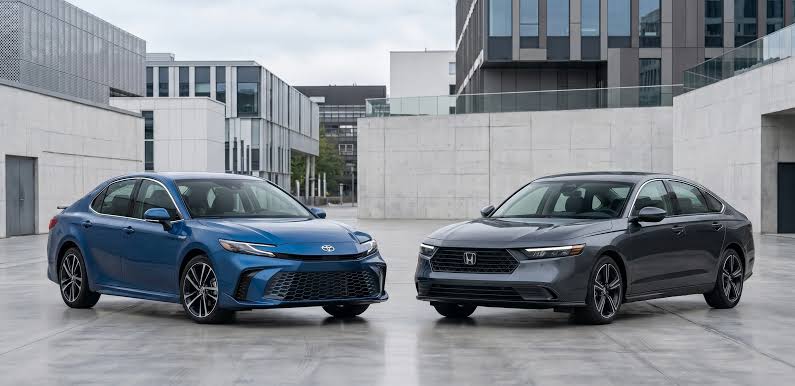
Toyota Camry vs Honda Accord
Few rivalries in the auto industry run as long or as evenly matched as Camry versus Accord. Both have spent decades as the default recommendation for buyers who want a reliable, practical midsize sedan without much drama, and both consistently rank among the best-selling cars in their segment year after year. The differences between them have never been about one being fundamentally better — they’re both excellent, dependable cars — so the actual decision tends to come down to smaller, more personal distinctions that matter more once you’re living with the car day to day.
This guide breaks down where the Camry and Accord genuinely diverge, so the choice comes down to fit rather than assuming one brand name is simply superior to the other.
Reliability Reputations That Are Both Genuinely Earned
Toyota and Honda have spent decades building reputations for long-term dependability that both brands have largely earned through consistent real-world performance rather than marketing alone. Neither the Camry nor the Accord has a meaningful reliability advantage over the other in most independent long-term studies — both routinely appear near the top of dependability rankings for their segment, and either one bought new and maintained reasonably well should comfortably last well past 200,000 miles for most owners. This is genuinely one area where badge loyalty matters less than people assume, since both cars have earned their reputations through similar track records rather than one clearly outperforming the other.
Driving Feel Is Where the Real Difference Shows Up
The Accord has generally leaned toward a slightly sportier, more engaged driving feel, with steering and suspension tuning that rewards drivers who care about handling a bit more than the segment average, without sacrificing the comfort a family sedan needs for daily use. The Camry, particularly in its non-sport trims, tends to prioritize a smoother, more isolated ride, aiming for effortless comfort over engagement — though its sportier trims narrow that gap considerably for buyers who want more driving character without leaving the Camry lineup entirely.
Hybrid Options Have Become a Major Differentiator
Both automakers have invested heavily in hybrid powertrains for these models, and fuel economy in hybrid trims has become one of the more genuinely compelling reasons to consider either car over a comparable gas-only competitor. Toyota’s hybrid technology benefits from decades of refinement dating back to its early hybrid systems, giving it a particularly mature, well-proven reputation in this specific area. Honda’s hybrid system has closed much of that gap in recent generations, delivering genuinely competitive efficiency and smoothness that puts real pressure on Toyota’s historical hybrid advantage rather than trailing meaningfully behind it.
Interior Space and Comfort Run Close, With Small Differences
Both cars offer genuinely spacious cabins for the midsize sedan segment, with rear-seat legroom and trunk space that comfortably accommodate most families without needing to size up to a larger sedan or crossover. Honda has traditionally emphasized a slightly more driver-focused interior layout with an emphasis on visibility and ergonomics, while Toyota has leaned toward a more conventional, comfort-oriented cabin design in recent generations. Neither represents a dramatic advantage over the other — the differences show up more in small ergonomic preferences that vary genuinely by individual driver than in any objective measure of space or quality.
Technology and Infotainment Have Converged Considerably
Both the Camry and Accord now offer comparable infotainment systems, standard driver-assistance safety suites, and smartphone integration across most trim levels, closing what used to be a more noticeable technology gap between the two just a generation or two ago. Differences that remain tend to come down to specific interface preferences and menu layout rather than one brand offering meaningfully more capability than the other, making this a much smaller differentiator in a buying decision than it would have been in past model generations.
Resale Value Favors Both, for Similar Reasons
Both the Camry and Accord hold their value unusually well compared to most midsize sedan competitors, a direct result of the same reliability reputation that makes both attractive to used-car buyers specifically seeking a dependable, well-proven vehicle. This shared strength means neither has a meaningfully clearer resale advantage over the other — both benefit from strong demand in the used market precisely because of the track records they’ve built over multiple generations. If you’re comparing sedans against other vehicle categories more broadly, our guide on BMW vs Mercedes covers a similar brand-comparison approach applied to a different, more luxury-focused segment.
Ownership Costs Run Similarly Low for Both
Maintenance costs for both the Camry and Accord tend to run below the industry average for the segment, a direct benefit of the same reliability engineering that drives both cars’ reputations. Parts availability is excellent for both, given how many units of each are on the road, which keeps repair costs reasonable compared to less common competitors where parts can take longer to source. Insurance costs also tend to run moderate for both models, reflecting their reputation as sensible, lower-risk choices rather than performance-oriented vehicles that typically carry higher premiums.
Which One Actually Fits You Better
If you want a slightly more engaging drive without sacrificing daily practicality, and a hybrid system that’s rapidly closing the historical efficiency gap with Toyota, the Accord tends to appeal to buyers who care a bit more about how the car feels behind the wheel. If you prioritize a proven, decades-refined hybrid system and a smoother, more isolated ride above outright driving engagement, the Camry tends to align more closely with buyers who want maximum comfort and Toyota’s specific hybrid pedigree. Given how close both cars run across nearly every meaningful category, a test drive of both back to back tends to reveal personal preference more clearly than any spec sheet comparison ever could.
Frequently Asked Questions
Which is more reliable, the Camry or the Accord? Both routinely rank near the top of reliability studies for their segment, with neither showing a consistent, meaningful advantage over the other across most independent long-term data.
Is the Honda Accord sportier than the Toyota Camry? Generally, yes — the Accord has traditionally leaned toward a more engaged driving feel, though the Camry’s sportier trims narrow that gap considerably for buyers who want more driving character.
Which has the better hybrid system? Toyota’s hybrid technology benefits from decades of refinement and a particularly mature reputation, though Honda’s hybrid system has closed much of that gap in recent generations with genuinely competitive efficiency.
Do the Camry and Accord hold their value well? Yes, both hold value unusually well compared to most midsize sedan competitors, largely due to the same reliability reputation that makes both attractive to used-car buyers specifically.
The Bottom Line
The Camry and Accord remain two of the most evenly matched competitors in the midsize sedan segment, both backed by genuinely earned reliability reputations and strong resale value. The real decision comes down to smaller preferences — the Accord’s slightly sportier driving feel versus the Camry’s smoother ride and Toyota’s more mature hybrid pedigree — rather than one being a clearly superior choice over the other.
For independent testing and current model comparisons, Consumer Reports’ sedan reliability data is a reliable source to check before buying.