
The Best Fluffy Pancakes recipe you will fall in love with. Full of tips and tricks to help you make the best pancakes.

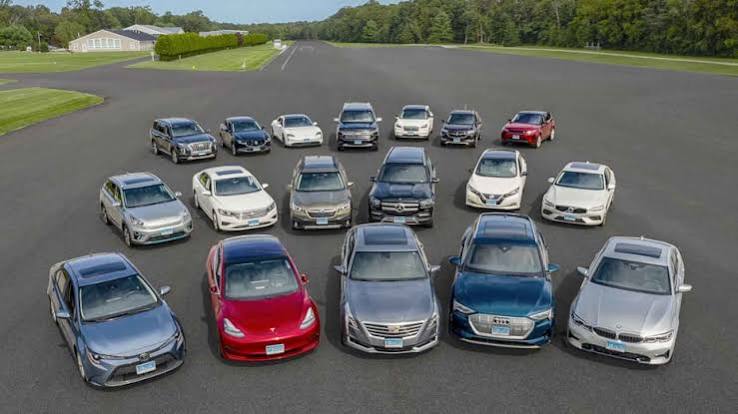
Buying a used car can be a great way to get behind the wheel without taking on the higher price of a new vehicle. The challenge is knowing which cars are genuinely worth your money. A vehicle may look clean, drive smoothly, and have an attractive price tag while still hiding expensive problems.
The best used cars are usually the ones that make sense beyond the initial purchase. They should be dependable, affordable to maintain, comfortable enough for your routine, and supported by a history you can verify. Whether you need a daily commuter, a family vehicle, or an SUV with extra room, a little research can help you make a more confident purchase.
What Really Matters When Choosing a Used Car
There is no universal formula for choosing a used vehicle. Someone who drives a few miles to work every day will have different priorities from a family that regularly takes long road trips.
Still, several factors deserve attention before you make an offer.
Reliability is one of the biggest considerations. A vehicle with a reputation for dependable performance can make ownership less stressful, particularly as it gets older.
Maintenance costs matter too. Two cars may have similar purchase prices but very different repair and servicing expenses.
You should also consider:
- Overall mechanical condition
- Previous maintenance
- Vehicle age and mileage
- Fuel economy
- Insurance costs
- Safety equipment
- Availability and price of replacement parts
- Your typical driving conditions
Rather than focusing only on the purchase price, consider whether the car will remain affordable throughout your ownership.
The best vehicle for you largely comes down to your daily driving habits and how you intend to use it. A small sedan may be perfect for city driving, while a growing family may need something larger.
Used Cars for Daily Commuting
If most of your driving involves commuting, a compact sedan or hatchback can be a practical choice. Smaller vehicles are often easier to park and can be less demanding on fuel and routine maintenance.
Before buying one, check whether the driver’s seat remains comfortable after a longer drive. Test the air conditioning, infotainment system, windows, lights, and other everyday features as well.
A car that saves money at the fuel pump but feels uncomfortable every morning may not be the best fit for your routine.
Used Cars for Families
Families typically need more than just four doors. Rear-seat room, cargo capacity, safety features, and easy access can make a noticeable difference.
A used crossover or midsize SUV may provide a useful balance between passenger space and everyday practicality. However, don’t assume a larger vehicle is automatically better. Bigger vehicles can also bring higher fuel, tire, insurance, and maintenance costs.
If you are researching different automotive topics before making a purchase, you can find additional guides through Collective Magzine.
Used SUVs for Extra Space
SUVs remain popular with buyers who want additional cargo room and a higher seating position. When shopping for a used SUV, however, inspect more than the bodywork.
Check the tires, brakes, suspension, transmission, and underbody carefully. These components can become expensive when a vehicle has been driven heavily or poorly maintained.
Don’t Judge a Used Car by Mileage Alone
Mileage is one of the first numbers buyers usually notice, but it should not be treated as the complete story.
Imagine two cars from the same model year. One has 70,000 miles and has received regular servicing. The other has 45,000 miles but has incomplete maintenance records and signs of neglect.
The lower-mileage vehicle may appear more attractive at first glance, but the better-maintained car could deserve closer consideration.
How the vehicle was driven also matters. Highway mileage can be different from years of frequent short trips and stop-and-go driving. Maintenance records help provide context that the odometer cannot.
Inspect the Car Before You Commit
Photos and a seller’s description can tell you only so much. A proper inspection gives you a much clearer picture of the vehicle’s condition.
Examine the Exterior
Walk around the car in good daylight. Look for differences in paint, uneven panel gaps, dents, scratches, cracked lights, and signs of previous bodywork.
Don’t forget the tires. Uneven tread wear can sometimes point toward alignment, suspension, or other mechanical issues.
Look underneath the vehicle when possible. Leaks, corrosion, or damaged components deserve further investigation.
Pay Attention to the Interior
The cabin can reveal how carefully the vehicle was treated.
Test the air conditioning and heating, windows, locks, lights, infotainment system, and dashboard controls. Look for water stains, unusual smells, damaged upholstery, or excessive wear.
If the interior looks significantly more worn than you would expect from the stated mileage, ask questions rather than making assumptions.
Take a Proper Test Drive
A short drive around the block is not enough.
Try the car at different speeds and across a variety of road conditions to get a better sense of how it performs. Listen for unusual sounds and notice how the steering, brakes, suspension, and transmission behave.
Watch for warning lights on the dashboard. Pay attention to hesitation, shaking, harsh gear changes, unusual vibrations, or noises that appear during acceleration or braking.
Check the Vehicle’s History
A vehicle history report can add useful information before you purchase a used car. Depending on the available records, it may reveal previous accidents, ownership history, title information, reported mileage, or other events.
However, a clean report does not guarantee that a vehicle is mechanically perfect.
That is why a history report and an independent inspection work best together. One can provide background information while the other gives you a physical assessment of the car.
If the seller is unwilling to let you have the vehicle inspected, take a moment to consider why.
Calculate the Real Cost of Ownership
The purchase price is only the beginning of your used-car expenses.
Your budget should also account for:
- Registration and taxes
- Insurance
- Fuel
- Routine servicing
- Tires
- Brake work
- Unexpected repairs
- Financing charges, if applicable
This is particularly important when comparing older luxury vehicles with mainstream models. An older premium car may have a tempting purchase price while still carrying relatively expensive parts and repair bills.
Keeping an emergency maintenance fund after buying the car can also prevent a minor mechanical problem from becoming a major financial headache.
Mistakes That Can Turn a Good Deal Into a Bad One
Even experienced buyers can make mistakes when they become too focused on getting a bargain.
Focusing Only on the Asking Price
A low price is not necessarily a sign of good value. Find out why the vehicle is priced below similar examples.
Skipping the Independent Inspection
A seller may genuinely believe the car is in excellent condition, but that does not replace an inspection from an independent professional.
Ignoring Service Records
Maintenance documentation can help you understand how the vehicle was cared for. If records are incomplete, ask what evidence is available for major services.
Spending Every Dollar on the Purchase
Don’t empty your entire car-buying budget on the vehicle itself. Used cars can need maintenance even when they appear to be in good condition.
Buying More Car Than You Need
A large SUV or luxury vehicle may look appealing, but if your normal routine only requires a small commuter, the extra ownership costs may not make sense.
Frequently Asked Questions
What are the best used cars to buy?
The best used cars are those that fit your budget and driving needs while offering a solid maintenance history, good condition, reasonable ownership costs, and suitable safety features. The ideal choice varies from buyer to buyer.
Is high mileage always bad?
No. Mileage should be considered alongside maintenance, vehicle age, condition, and previous use. A well-maintained higher-mileage car may deserve consideration over a neglected low-mileage vehicle.
Should I have a used car inspected?
Yes. An independent inspection can uncover mechanical or structural problems that may not be obvious during a normal test drive.
How much money should I keep after buying a used car?
There is no single amount that works for everyone, but keeping part of your budget available for immediate maintenance and unexpected repairs is a sensible approach.
Is a used SUV expensive to maintain?
It depends on the model, age, condition, engine, drivetrain, and parts costs. Compare expected maintenance, fuel, tires, and insurance expenses before purchasing.
Final Thoughts
Finding the best used cars is not about chasing the lowest price or choosing the vehicle with the fewest miles. A smarter approach is to look at the complete picture: condition, maintenance history, ownership costs, practicality, and how well the car fits your everyday life.
Take your time, compare similar vehicles, check the history, arrange an independent inspection, and leave room in your budget for future maintenance. That extra effort can help you avoid an attractive deal that becomes expensive after you take it home.
For more practical automotive guides and everyday buying advice, explore Collective Magzine and keep researching before making your next vehicle purchase.