
The Best Fluffy Pancakes recipe you will fall in love with. Full of tips and tricks to help you make the best pancakes.

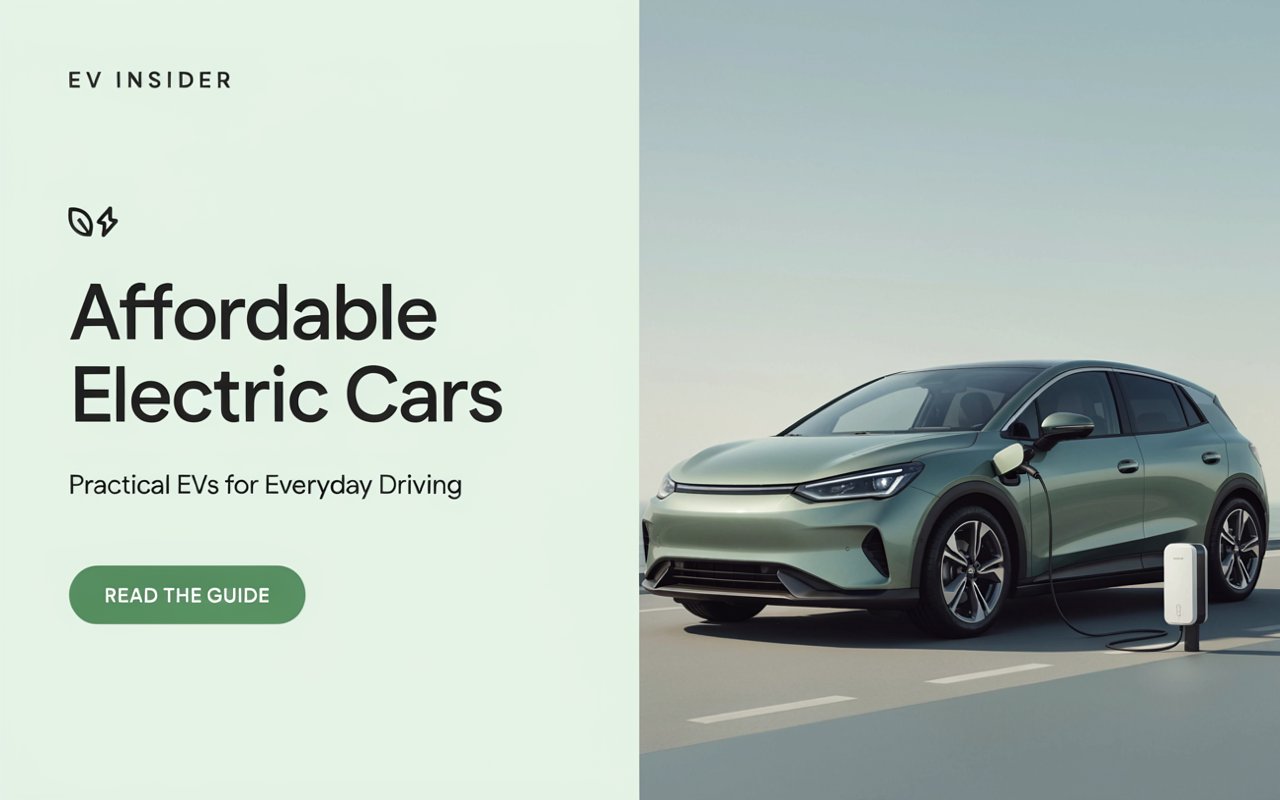
Electric vehicles are no longer limited to expensive luxury models. Buyers can now find affordable electric cars with useful driving range, modern technology, and practical features for everyday use.
But finding the right EV is about more than choosing the lowest sticker price. Range, charging access, insurance, battery warranty, maintenance, and your daily driving habits can all affect the real cost of ownership.
In this guide, we’ll look at what makes an electric car affordable, which models are worth considering, how charging affects ownership, and what to check before buying.
What Makes an Electric Car Affordable?
An affordable electric car should offer a reasonable purchase price without creating unnecessary ownership costs. The cheapest EV is not automatically the best value if it has limited range, expensive insurance, or doesn’t suit your daily routine.
A practical EV should ideally provide:
- A manageable purchase price
- Enough range for your regular trips
- Convenient charging options
- Reasonable maintenance costs
- Strong battery warranty coverage
- Useful standard features
- Good energy efficiency
For example, Nissan lists the 2026 LEAF with a starting MSRP of $29,990 in the U.S., putting it among the lower-priced new EV options.
When comparing prices, remember that the advertised MSRP isn’t your complete ownership cost. Taxes, registration, insurance, financing, charging equipment, and electricity can all add to the final expense.
For a broader look at electric vehicle ownership and related automotive technology, you can also explore our Electric Motorcycles Guide.
Affordable Electric Cars to Consider in 2026
The affordable EV market now includes compact cars, hatchbacks, and electric crossovers. Your ideal option depends on how much you drive, how much space you need, and where you can charge.
Nissan LEAF
The Nissan LEAF remains a familiar name in the electric-car market. Its 2026 lineup starts at $29,990 for the S+ FWD trim, according to Nissan.
Its relatively accessible starting price makes it worth considering for shoppers who want a new EV without moving into the higher-priced luxury segment.
Before buying, compare its range, charging capability, warranty coverage, and available equipment with competing electric cars.
Chevrolet Equinox EV
Drivers who want more space may want to consider an electric crossover such as the Chevrolet Equinox EV.
Chevrolet lists the 2026 Equinox EV LT 1 at a starting MSRP of $34,995, with an EPA-estimated range of up to 319 miles for the front-wheel-drive version.
That combination of crossover practicality and longer range can make this type of vehicle appealing to drivers who want an EV that works for both commuting and longer trips.
You can check the official Chevrolet Equinox EV specifications for current model details and pricing.
Used Electric Cars
Used EVs can provide another route into electric-car ownership. A pre-owned model may have a substantially lower purchase price than a new vehicle.
However, buyers should pay close attention to battery condition, remaining warranty coverage, mileage, charging capability, and the vehicle’s service history.
Don’t judge a used EV only by its purchase price. A vehicle inspection and battery-health check can give you a clearer picture of its long-term value.
What Does It Really Cost to Own an Electric Car?
The purchase price is only one part of EV ownership.
Electric cars generally have fewer routine mechanical service requirements than traditional gasoline vehicles because they don’t use engine oil, spark plugs, or many of the components found in combustion engines.
However, EV owners still need to budget for:
- Electricity
- Insurance
- Tires
- Registration and taxes
- Financing
- Home charging equipment
- Repairs outside warranty coverage
Your charging costs can vary depending on local electricity rates, vehicle efficiency, driving habits, and whether you use home or public charging.
If you already have access to a home charger, an EV may be easier to integrate into your routine. If you depend mainly on public charging, make sure you understand local charging costs before buying.
For another automotive comparison, see our guide to Tesla Model 3 vs. Model Y to understand how two popular EVs differ in size, practicality, and everyday use.
What About EV Charging?
Charging is one of the biggest differences between electric cars and gasoline-powered vehicles.
Many EV owners charge overnight at home. This can make daily driving convenient because the vehicle can start the next day with a high state of charge without requiring a trip to a gas station.
Public charging becomes more important for road trips and drivers who don’t have access to home charging.
Level 2 Charging
Level 2 charging can provide considerably more charging power than a standard household outlet and is commonly used for home EV charging.
Before installing a charger, check your home’s electrical capacity and have the installation evaluated by a qualified professional. Installation costs can vary depending on the electrical work required.
For drivers without a garage or dedicated parking space, public charging availability should be one of the first things to investigate before choosing an EV.
How Much EV Range Do You Really Need?
More range sounds better, but it can also increase the price of a vehicle.
If your daily commute is relatively short, you may not need an EV capable of traveling hundreds of miles between charges. Drivers who regularly travel between cities may benefit more from additional range and faster charging.
A simple way to estimate your needs is to consider:
- Your normal daily mileage
- Your longest regular trip
- Access to home charging
- Public chargers along your common routes
- Weather conditions
- How frequently you take road trips
Advertised range is an estimate rather than a guarantee of real-world driving distance. Temperature, speed, terrain, driving style, and climate-control use can all affect efficiency.
Chevrolet, for example, notes that cold weather can reduce EV range, while battery thermal management and pre-conditioning can help maintain efficiency.
Are Affordable Electric Cars Practical for Family Life?
Some affordable electric cars can work very well for families, particularly compact electric SUVs and crossovers.
When shopping for a family EV, look beyond exterior design. Check rear-seat space, cargo capacity, child-seat compatibility, charging convenience, safety equipment, and visibility.
A compact EV may be ideal for a household with predictable daily driving and convenient overnight charging. Larger families, however, may need more passenger and cargo space.
This is where comparing EVs with conventional vehicles can be useful. If you’re considering alternatives outside the EV category, our Toyota Camry vs. Honda Accord comparison can help illustrate the differences between traditional midsize sedans.
What to Look for Before Buying an Affordable EV
Price should be the starting point, not the final decision.
Compare the Total Cost
Look at the complete purchase and ownership picture. Include the vehicle price, financing, insurance, charging equipment, electricity, registration, and expected maintenance.
Check the Battery Warranty
The battery is a key part of any electric vehicle, affecting its range, performance, and overall ownership experience. Review the manufacturer’s battery warranty, including its time period and mileage limits.
Also check whether the warranty has specific conditions related to battery capacity or degradation.
Test the Charging Experience
If possible, understand how the vehicle charges before buying. Check home-charging compatibility and the availability of suitable public chargers along the routes you use most.
Compare Real-World Practicality
Are Federal EV Tax Credits Still Available in 2026?
This is an important point for anyone researching affordable electric cars in 2026.
According to the IRS clean vehicle tax credit guidance, the New Clean Vehicle Credit and Previously-Owned Clean Vehicle Credit are not available for vehicles acquired after September 30, 2025.
That means buyers should not automatically subtract the former federal EV credit from the price of a 2026 vehicle.
State, local, utility, and manufacturer incentives can have different rules. Check the current programs available in your area before calculating the final purchase cost.
How to Choose the Right Affordable Electric Car
The right EV depends on your driving pattern, budget, and charging situation.
Start with your realistic budget. Then determine how much range you actually need and whether you can charge at home.
After that, compare vehicles based on:
- Purchase price
- Driving range
- Charging speed
- Interior space
- Warranty coverage
- Insurance costs
- Standard features
- Local charging infrastructure
- Expected ownership costs
You can also compare the EV’s price with other vehicle types before making a final decision. A lower-priced EV isn’t necessarily the right fit if its charging setup or range doesn’t match your lifestyle.
Final Thoughts on Affordable Electric Cars
Affordable electric cars have become more practical for buyers who want to move away from gasoline-powered transportation without spending luxury-car money.
Models such as the Nissan LEAF and Chevrolet Equinox EV show the range of choices available, from relatively compact EVs to larger electric crossovers.
The smartest way to shop is to look beyond the sticker price. Compare range, charging access, insurance, warranty coverage, available incentives, and your normal driving habits before making a purchase.
Thinking about buying an EV? Start by calculating your daily driving needs, checking your charging options, and comparing several affordable electric cars before visiting a dealership.