The Best Fluffy Pancakes recipe you will fall in love with. Full of tips and tricks to help you make the best pancakes.

Introduction
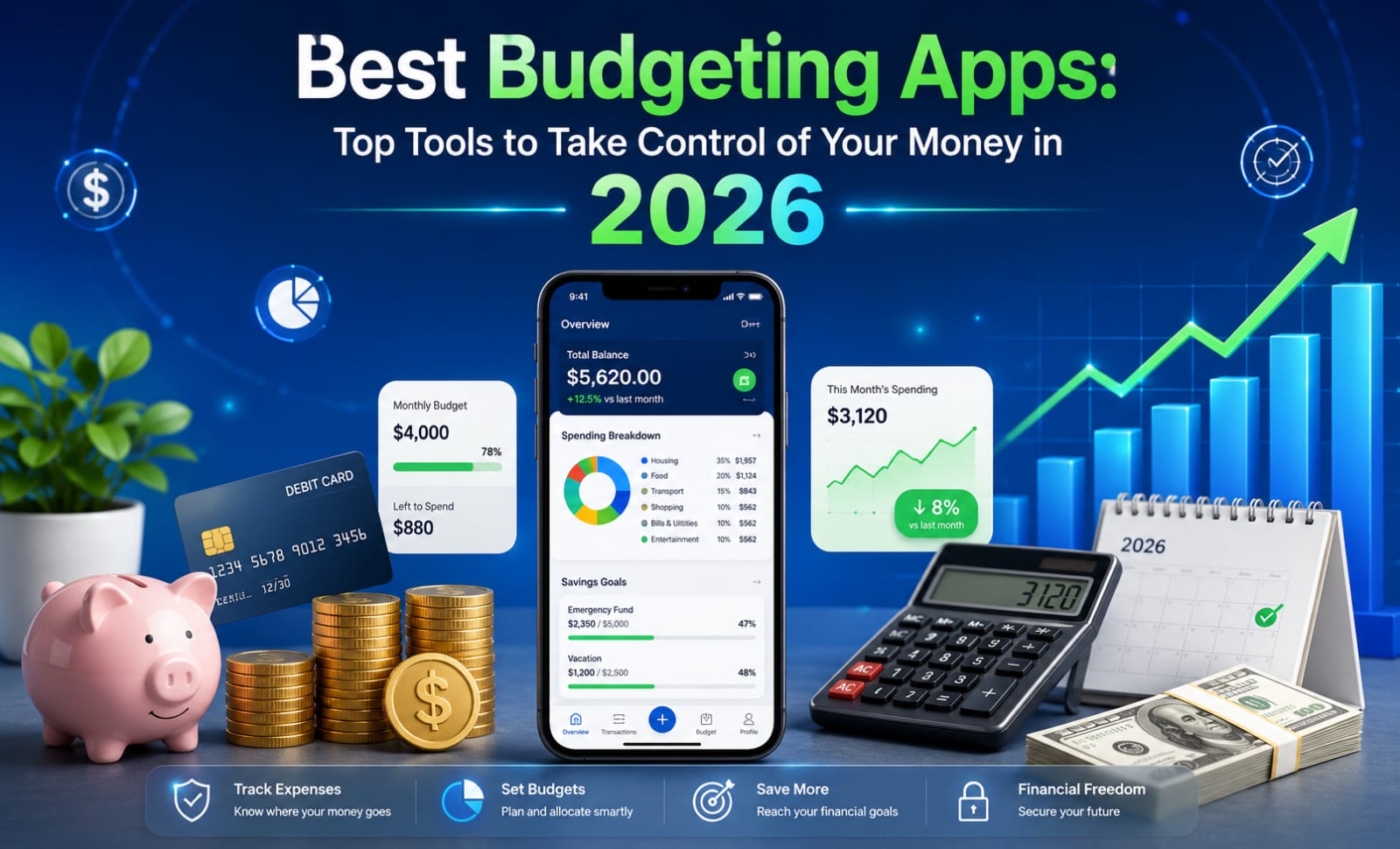
Managing money has become more challenging than ever. With daily expenses, subscriptions, bills, and unexpected costs adding up quickly, many people struggle to understand where their money goes each month. This is where the best budgeting apps can make a real difference.
Budgeting apps simplify financial management by helping users track spending, organize expenses, set savings goals, and create realistic budgets without complicated spreadsheets. Whether you are trying to save for a major purchase, reduce unnecessary spending, or simply gain better control over your finances, the right app can become a valuable financial companion.
In this guide, we will explore the best budgeting apps, their key features, benefits, and how to choose the right option based on your financial needs.
What Are Budgeting Apps and How Do They Work?
Budgeting apps are digital tools designed to help individuals manage their personal finances. They allow users to monitor income, track expenses, categorize purchases, and plan spending limits.
Most budgeting apps work by connecting with your bank accounts, credit cards, or manually entered transactions. Once connected, the app analyzes your financial activity and provides insights into your spending habits.
For example, if you frequently spend more on dining out or shopping, a budgeting app can highlight these patterns and help you adjust your habits.
Key Features of Budgeting Apps
The best budgeting apps usually include:
- Expense tracking
- Monthly budget creation
- Bill payment reminders
- Savings goal setting
- Spending reports
- Bank account synchronization
- Financial insights and recommendations
These features make money management easier, especially for people who want a simple way to stay organized.
Why Use the Best Budgeting Apps for Personal Finance?
Many people know they should budget but struggle to maintain consistency. Traditional budgeting methods can feel time-consuming, which is why digital solutions have become increasingly popular.
The best budgeting apps provide automation and convenience, allowing users to manage finances with less effort.
Benefits of Using Budgeting Apps
Better Understanding of Spending Habits
One of the biggest advantages of budgeting apps is visibility. They show exactly where your money is being spent, helping you identify areas where you can cut unnecessary costs.
For example, small daily purchases may not seem significant individually, but an app can reveal how much they add up over a month.
Easier Saving and Goal Planning
Saving money becomes easier when you have clear targets. Many apps allow users to create goals such as:
- Emergency funds
- Vacation savings
- Home purchases
- Debt repayment
Tracking progress can motivate users to stay committed.
Improved Financial Discipline
Budgeting apps encourage better financial habits by providing reminders and spending alerts. Instead of checking your bank balance constantly, you can rely on organized financial information in one place.
Best Budgeting Apps to Consider in 2026
Different budgeting apps offer different features, so the best choice depends on your financial goals and preferences.
1. Mint Alternatives for Simple Money Tracking
Many users look for apps that provide easy expense tracking and account management. Modern budgeting tools offer similar features, including automatic transaction updates and spending categories.
These apps are ideal for beginners who want a clear overview of their finances without complex settings.
Best For:
- Beginners
- Daily expense tracking
- Understanding spending patterns
2. YNAB (You Need A Budget) for Smarter, Goal-Based Money Management
YNAB is one of the most recognized budgeting platforms for users who want a structured approach to money management.
Its method focuses on assigning every dollar a purpose before spending it. This approach helps users become more intentional with their money.
Best For:
- People who want strict budgeting
- Debt reduction goals
- Long-term financial planning
3. PocketGuard for Managing Everyday Spending
PocketGuard focuses on helping users understand how much money they have available after bills and savings goals are considered.
The app provides a simplified view of spending power, making it easier to avoid overspending.
Best For:
- Simple budgeting
- Tracking available spending money
- Reducing unnecessary expenses
4. Goodbudget for Envelope-Based Budgeting
Goodbudget follows the traditional envelope budgeting system digitally.
Users divide their income into categories such as groceries, transportation, entertainment, and savings.
Best For:
- Families
- Couples managing shared finances
- People who prefer manual budgeting
How to Select the Right Budgeting App for Your Financial Goals
Choosing the right budgeting app depends on your financial situation and personal preferences.
Consider Your Financial Goals
Before selecting an app, ask yourself:
- Do I want to save more money?
- Do I need help controlling spending?
- Am I trying to pay off debt?
- Do I need detailed financial reports?
Your goals will determine which features matter most.
Look at Security Features
Since budgeting apps often handle sensitive financial information, security should always be a priority.
Look for apps that provide:
- Data encryption
- Secure account connections
- Two-factor authentication
- Privacy controls
A trustworthy app should make protecting your information a top priority.
Check Ease of Use
A budgeting app should make financial management easier, not more complicated.
Choose an app with:
- Simple navigation
- Clear reports
- Easy transaction tracking
- Helpful notifications
If an app feels difficult to use, you are less likely to continue using it regularly.
Are Budgeting Apps Safe to Use?
Yes, most reputable budgeting apps use advanced security measures to protect user information. However, users should always research an app before connecting financial accounts.
To improve security:
- Use strong passwords
- Enable two-factor authentication
- Avoid sharing login details
- Download apps from trusted sources
Remember that no financial tool can completely eliminate risk, so responsible usage is important.
Frequently Asked Questions About Budgeting Apps
What is the best budgeting app for beginners?
The best budgeting app for beginners is usually one with simple tracking features, easy navigation, and automatic expense categorization. Beginners should choose an app that helps them understand spending without overwhelming them.
Can budgeting apps help save money?
Yes, budgeting apps can help users save money by showing spending patterns, setting savings goals, and providing reminders to stay within limits.
Are free budgeting apps worth using?
Free budgeting apps can be useful for basic expense tracking and financial organization. However, premium apps may offer advanced features such as detailed reports, automation, and personalized insights.
Do budgeting apps work with bank accounts?
Many budgeting apps allow users to connect bank accounts for automatic transaction updates. Users should review security policies before linking financial information.
Final Thoughts: Choose the Right Budgeting App for Better Money Management
The best budgeting apps make managing money easier by turning complicated financial tasks into simple daily habits. From tracking expenses to building savings goals, these tools can help users make smarter financial decisions.
The right app depends on your personal goals, budgeting style, and comfort level with technology. Whether you need basic expense tracking or advanced financial planning, there is a budgeting solution available.
Start exploring budgeting apps today, choose one that fits your lifestyle, and take the first step toward stronger financial control and long-term stability.