
The Best Fluffy Pancakes recipe you will fall in love with. Full of tips and tricks to help you make the best pancakes.

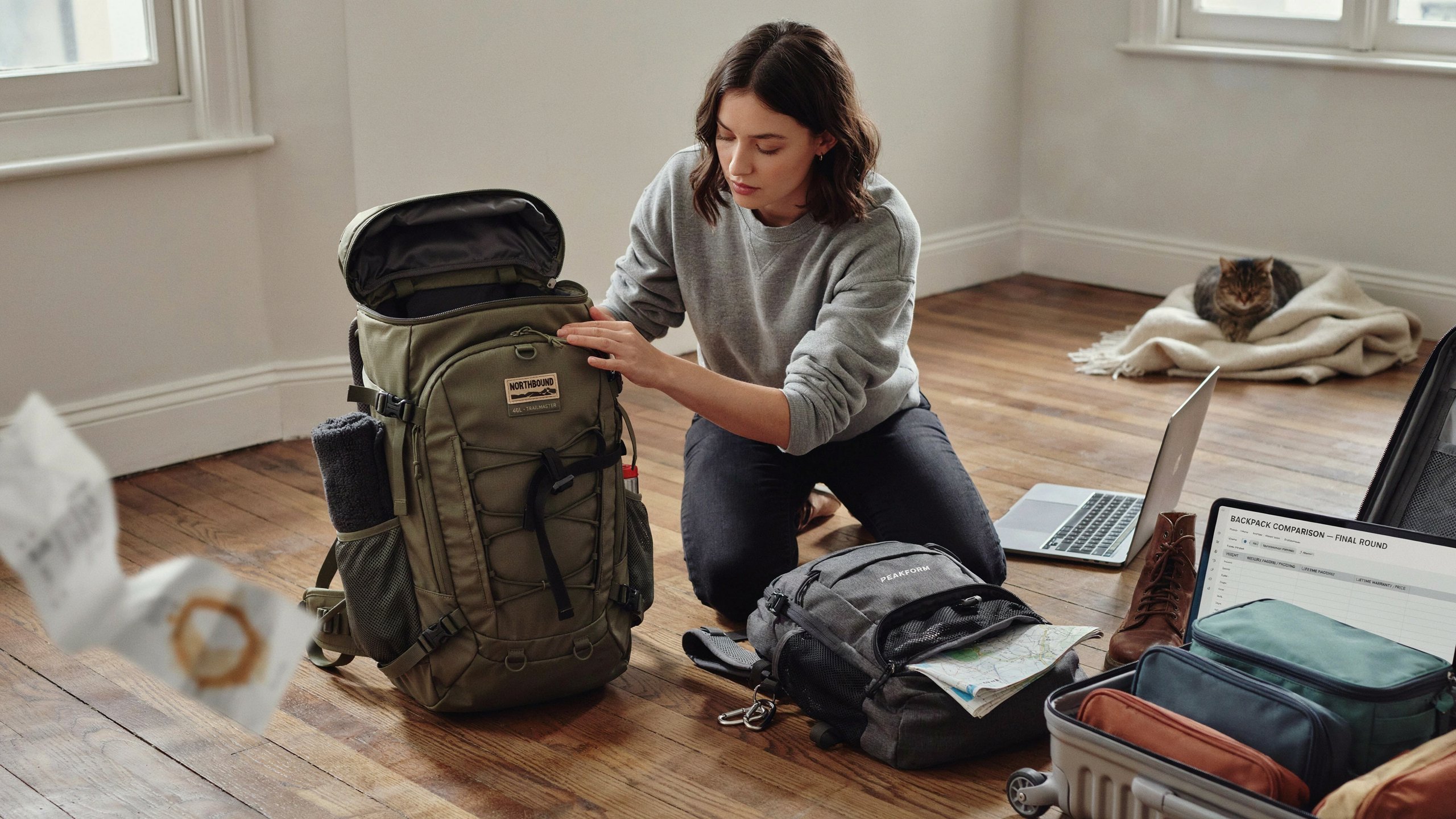
A travel backpack looks simple enough from the outside — a bag with straps — until you’re standing in an airport with something that doesn’t fit the overhead bin, digs into your shoulders after twenty minutes of walking, or has exactly one giant compartment that swallows everything you own into an unsearchable pile. The right backpack disappears into the background of a trip. The wrong one becomes a daily annoyance you’re stuck with for the entire journey.
This guide covers what actually matters when choosing a travel backpack, rather than a list of specific models that will be outdated by the time you read it.
Capacity Matters Less Than People Assume
It’s tempting to buy the biggest backpack available on the theory that more space means fewer packing decisions, but larger packs tend to get filled regardless of how much you actually need, simply because the space is there. A pack in the 30 to 45-liter range covers most trips longer than a weekend without requiring checked luggage, and starting smaller than feels comfortable often forces better packing discipline than starting big and hoping restraint kicks in naturally. Weekend trips can often work with something even smaller, while extended multi-country trips may genuinely need the extra room — but sizing up “just in case” tends to create more problems than it solves.
Fit Determines Whether You’ll Actually Enjoy Carrying It
A backpack’s capacity matters less day to day than whether it actually fits your torso length and hip shape, since an ill-fitting pack shifts weight onto your shoulders and neck instead of your hips, where the load is meant to sit. Adjustable torso length, a padded hip belt that actually bears weight rather than sitting there decoratively, and load-lifter straps that pull the pack closer to your back all matter considerably more than color or brand name once you’re actually wearing it for hours at a stretch through an airport or a hike between destinations.
Skip the Checked-Bag Fee by Checking This First
If avoiding checked baggage fees and lost-luggage risk matters to your travel style, checking a specific airline’s carry-on size restrictions before buying matters more than almost any other single factor, since restrictions vary meaningfully between airlines and even between routes on the same airline. Some travel backpacks are specifically designed and marketed around fitting standard carry-on dimensions, which is worth prioritizing directly if traveling with only a carry-on is actually your goal, rather than assuming any “travel-labeled” bag automatically qualifies.
Organization Beats Raw Space Every Time
A single giant main compartment might look efficient on a spec sheet, but it usually turns into a frustrating daily dig through everything you own to find one specific item. Multiple compartments, a dedicated laptop sleeve, and external or side-access pockets for things you need quickly — a passport, a charging cable, a water bottle — genuinely improve daily usability far more than a few extra liters of undifferentiated space ever will. This becomes especially noticeable a few days into a trip, once the initial neat packing job has inevitably become slightly chaotic.
Durability and Water Resistance Actually Get Tested on the Road
Travel exposes gear to conditions most everyday bags never encounter — thrown into overhead bins, dragged across cobblestone streets, left out during unexpected rain. Ripstop or heavy-duty nylon fabrics hold up considerably better than lighter, more delicate materials over repeated trips, and water-resistant coatings or a rain cover, even a basic one, protect against the kind of sudden weather that ruins electronics and documents when a backpack isn’t prepared for it. This matters more the longer and more varied a trip is, since a weekend city break tolerates far more gear shortcuts than a multi-country backpacking route ever will.
Weight of the Empty Bag Adds Up Fast
An empty backpack’s own weight matters more than it seems like it should, since airline weight limits (particularly for carry-ons) count the bag itself along with everything inside it. A heavier empty pack effectively steals capacity you’d otherwise use for actual belongings, and this becomes a real, cumulative constraint on longer trips where every pound matters more than it does for a single weekend getaway.
Matching the Backpack to How You Actually Travel
A backpack built for structured, hotel-based city travel — better organization, a laptop sleeve, more polished styling — often looks and functions differently than one built for actual backpacking or hostel-hopping, which tends to prioritize durability and load-bearing comfort over sleek looks. Being honest about your actual travel style, rather than buying for an aspirational trip you might take someday, tends to produce a bag that actually serves the travel you’re doing regularly rather than a rarely-used edge case.
Common Mistakes When Choosing a Travel Backpack
Buying based on looks alone, without trying the pack on loaded with actual weight, leads to a lot of backpacks that look great in photos and feel genuinely uncomfortable within the first hour of real use.
Oversizing “just in case” tends to backfire — a larger bag gets filled regardless of actual need, adding unnecessary weight and bulk that becomes a burden for an entire trip rather than a one-time inconvenience.
Ignoring the empty bag’s own weight is an easy oversight that quietly eats into carry-on weight allowances, especially frustrating when discovered at the airport counter rather than before the trip even starts.
Frequently Asked Questions
What size travel backpack do I actually need? For most trips longer than a weekend, 30 to 45 liters covers a wide range of travel styles without requiring checked luggage, though extended multi-country trips may need more.
Does a travel backpack really need to be carry-on compatible? Only if avoiding checked bags matters to you specifically — but if it does, checking your airline’s exact size restrictions before buying matters more than almost any other single factor.
What’s more important, capacity or organization? Organization generally matters more day to day — multiple compartments and easy-access pockets make a backpack genuinely usable, while raw extra space just tends to get filled regardless of need.
How much should a good travel backpack weigh empty? Lighter is generally better, since a heavier empty pack eats into airline weight limits and reduces how much you can actually pack, particularly noticeable on carry-on-only trips.
The Bottom Line
The best travel backpack isn’t defined by a single “best” model — it’s the one that actually fits your torso, matches how you genuinely travel, and organizes your belongings well enough that you’re not digging through one giant compartment every single day. Prioritizing fit, organization, and honest sizing over raw capacity or brand name tends to produce a bag that disappears into the background of a trip, which is exactly what a good travel backpack is supposed to do.
For independent, hands-on gear testing, Wirecutter’s travel backpack guides are a reliable source to check before buying.