
The Best Fluffy Pancakes recipe you will fall in love with. Full of tips and tricks to help you make the best pancakes.

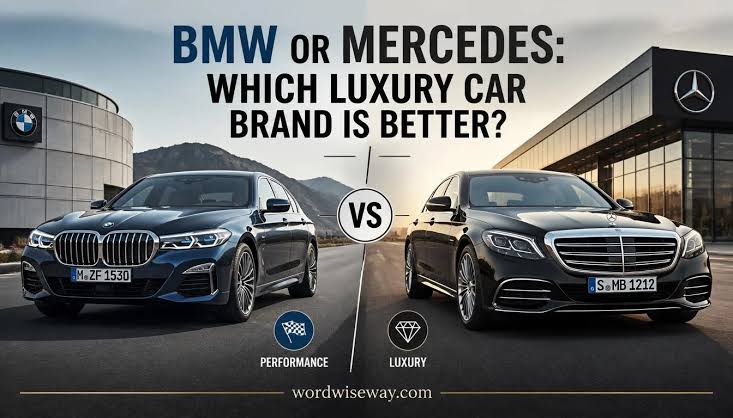
Choosing between BMW and Mercedes-Benz can be surprisingly difficult. Both brands are known for premium vehicles, strong performance, advanced technology, and unmistakable styling. But while they compete in many of the same segments, they don’t always deliver the same driving experience.
BMW is generally known for sporty handling and driver-focused performance, while Mercedes-Benz places greater emphasis on comfort, refinement, and luxury. That difference can make one brand a better fit depending on how you plan to use your car.
In this BMW vs Mercedes comparison, we’ll look at performance, comfort, technology, reliability, design, practicality, and ownership value to help you decide which one makes more sense.
BMW vs Mercedes: What’s the Difference?
BMW and Mercedes-Benz are both German luxury manufacturers, but their approach to building cars is somewhat different.
BMW has spent much of its history developing vehicles around the driver. Its cars often feel responsive and composed, making them appealing to people who genuinely enjoy being behind the wheel.
Mercedes-Benz has a stronger reputation for creating a relaxed and luxurious experience. Its vehicles commonly focus on smooth rides, comfortable cabins, quiet interiors, and premium features.
That doesn’t mean every BMW is sporty or every Mercedes is soft. Modern models from both companies cover a wide range of driving styles.
BMW at a Glance
- Sporty driving character
- Responsive handling
- Strong performance options
- Driver-focused interiors
- Wide selection of sedans and SUVs
Mercedes-Benz at a Glance
- Comfortable ride quality
- Upscale cabin design
- Strong technology offerings
- Refined driving experience
- Extensive luxury SUV lineup
BMW vs Mercedes Performance
Performance is one of the biggest factors in the BMW vs Mercedes debate.
BMW: Built Around the Driving Experience
BMW has traditionally placed a strong emphasis on handling. Many of its vehicles feel balanced through corners and responsive when you accelerate, brake, or change direction.
The 3 Series, for example, has long been popular with drivers who want a practical luxury sedan that still feels enjoyable on the road. Higher-performance M models take that philosophy much further with powerful engines and more aggressive chassis tuning.
For someone who enjoys spirited driving, BMW often feels like the natural choice.
Mercedes-Benz: Power With Refinement
Mercedes-Benz isn’t short on performance either. Its AMG models provide serious acceleration and impressive engine power while retaining the brand’s focus on comfort and sophistication.
The difference is often in how that power is delivered. A Mercedes-Benz can feel incredibly quick without losing its relaxed and refined personality.
If handling and driver engagement are your priorities, BMW usually has the advantage. If you want strong performance combined with comfort, Mercedes-Benz deserves serious consideration.
Interior Comfort and Luxury
A luxury car needs to feel special every time you get inside, and both brands put considerable effort into their cabins.
Mercedes-Benz has built a particularly strong reputation for luxurious interiors. Depending on the model and trim, you can find high-quality materials, comfortable seats, sophisticated lighting, and an elegant overall design.
BMW takes a somewhat different approach. Its interiors tend to have a more cockpit-like feel, with controls and displays designed around the driver.
Ultimately, the better choice depends on your individual tastes, driving habits, and priorities.
Mercedes-Benz may suit you better if you want a calm, luxurious atmosphere. BMW may be preferable if you like a more focused and modern driving environment.
One important point: don’t judge either brand solely by its base model. Optional packages and higher trims can significantly change the quality, features, and overall feel of a vehicle.
BMW vs Mercedes Technology
Technology has become a major selling point for luxury vehicles, and both manufacturers have invested heavily in digital features.
BMW offers modern infotainment systems, digital displays, smartphone connectivity, navigation, connected services, and numerous driver-assistance features.
Mercedes-Benz has also made technology a central part of its newer vehicles. Its MBUX system is designed around large displays, voice interaction, and a highly digital cabin experience.
Rather than asking which brand has more technology, consider which system you find easier to use.
What Should You Check?
Before buying, test:
- Infotainment responsiveness
- Navigation
- Smartphone connectivity
- Voice controls
- Digital instrument displays
- Driver-assistance systems
- Physical controls
- Visibility and camera quality
A long list of features doesn’t automatically mean a better experience. The technology should make driving easier rather than more complicated.
BMW vs Mercedes Reliability and Maintenance
Reliability is an important consideration because luxury vehicles can be expensive to repair when something goes wrong.
Both BMW and Mercedes-Benz produce technically sophisticated vehicles. Their engines, transmissions, electronics, suspension systems, and comfort features can be more complicated than those found in ordinary economy cars.
That doesn’t mean you should avoid either brand. It means you should research the specific vehicle you’re buying.
Buying a Used BMW or Mercedes
If you’re considering a used model, pay close attention to:
- Service history
- Previous accidents
- Mileage
- Number of previous owners
- Maintenance records
- Engine condition
- Transmission behavior
- Suspension components
- Electrical and electronic systems
A properly maintained luxury car can be a much smarter purchase than a neglected vehicle being sold at an attractive price.
There is no simple rule that says BMW is always more reliable than Mercedes or vice versa. Model year, engine choice, maintenance, and previous ownership can make a major difference.
Which Brand Has Better Design?
BMW and Mercedes-Benz have distinctive design philosophies, although both have changed considerably over the years.
BMW typically uses a more athletic and aggressive appearance. Its vehicles often have strong body lines and a road-focused stance.
Mercedes-Benz generally leans toward elegance and sophistication. Many models combine smooth bodywork with a premium, understated appearance.
Of course, styling is highly subjective. One buyer may love the aggressive look of a BMW, while another may prefer the elegant appearance of a Mercedes.
The smartest approach is to compare the exact models you’re considering rather than judging an entire brand based on one vehicle.
BMW vs Mercedes for Everyday Driving
Your daily routine should play a major role in the decision.
If you spend most of your time commuting through traffic or traveling long distances, ride comfort, seat quality, cabin noise, fuel economy, and technology can matter more than outright horsepower.
Mercedes-Benz can be especially attractive for drivers who want a relaxed and comfortable daily vehicle.
BMW can be the better match for someone who wants everyday practicality without giving up an engaging driving experience.
For families, both brands offer a broad selection of SUVs with different sizes and equipment levels. Before buying, check rear-seat space, cargo capacity, child-seat compatibility, and overall visibility.
BMW vs Mercedes: Which Offers Better Value?
The cheapest luxury car isn’t necessarily the best value.
When comparing BMW and Mercedes-Benz, consider the complete cost of ownership rather than only the sticker price.
Your budget should account for:
- Purchase or financing costs
- Insurance
- Fuel expenses
- Scheduled maintenance
- Tires and brakes
- Unexpected repairs
- Depreciation
- Resale value
It’s also important to compare equipment. A vehicle with a higher starting price may actually offer better value if it includes features that cost extra on its competitor.
BMW vs Mercedes: Which One Is Better?
There isn’t a universal winner because the two brands appeal to slightly different types of drivers.
Choose BMW if you prioritize:
- Sporty handling
- Driver engagement
- Responsive steering
- Performance
- A more athletic character
Choose Mercedes-Benz if you prioritize:
- Comfort
- Luxury
- Smooth driving
- Premium cabin design
- A refined experience
If you’re still undecided, don’t make the choice based only on brand reputation. Test-drive comparable models with similar engines, prices, and equipment.
Pay attention to how easily you can get comfortable, how the vehicle responds to your inputs, how quiet the cabin feels, and whether the technology feels intuitive.
Frequently Asked Questions
Is BMW better than Mercedes?
BMW is generally a strong choice for drivers who prioritize handling and performance. Mercedes-Benz may be better for buyers who value comfort, refinement, and luxury.
Which is more reliable, BMW or Mercedes?
Reliability varies by model, engine, production year, and maintenance history. Neither brand is automatically more reliable in every situation.
Which is cheaper to maintain?
Both brands can have higher maintenance costs than mainstream manufacturers. The actual expense depends heavily on the model, age, mileage, and condition of the vehicle.
Which is more luxurious, BMW or Mercedes?
Mercedes-Benz is often associated more closely with traditional luxury and comfort, while BMW combines luxury with a stronger driver-oriented character.
BMW vs Mercedes: Which Is the Better Choice for Everyday Driving?
Both can make excellent daily drivers. Mercedes-Benz may appeal more to comfort-focused drivers, while BMW is particularly attractive to people who want a more engaging commute.
Final Verdict
The BMW vs Mercedes decision ultimately comes down to what you expect from your luxury car.
BMW has a clear appeal for drivers who enjoy responsive handling, performance, and an active driving experience. Mercedes-Benz is particularly attractive to people who want comfort, refinement, technology, and a luxurious atmosphere.
Instead of asking which brand is universally better, ask which one better matches your lifestyle, driving habits, budget, and priorities.
Compare the models you’re genuinely interested in, take both for a test drive, check their long-term ownership costs, and inspect the service history if you’re buying used. That’s the best way to turn the BMW vs Mercedes debate into a decision you’ll feel confident about.