
The Best Fluffy Pancakes recipe you will fall in love with. Full of tips and tricks to help you make the best pancakes.

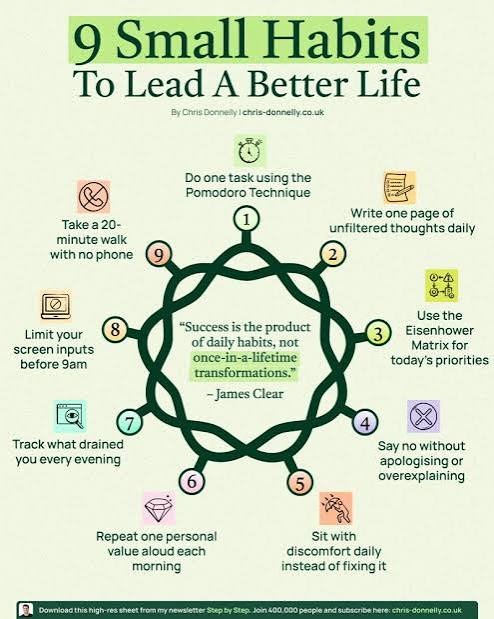
Developing good habits is one of the most effective ways to improve your life. While many people focus on motivation or willpower, long-term success often comes down to the small actions you repeat every day. The habits you build influence your health, productivity, relationships, and overall happiness.
The good news is that you don’t need dramatic changes to see meaningful results. Small, consistent improvements can create powerful outcomes over time. Whether you want to become more productive, healthier, or more organized, adopting the right habits can help you get there.
In this guide, you’ll learn what good habits are, why they matter, and practical ways to build habits that stick.
The Power of Good Habits: Why Small Actions Create Big Results
Good habits are positive behaviors that become automatic through regular repetition. They require less mental effort over time because your brain learns to perform them without constant decision-making.
The Power of Consistency
Many people underestimate the impact of daily actions. Reading ten pages a day may seem insignificant, but it adds up to several books a year. Walking for thirty minutes daily can significantly improve physical and mental health over time.
The key is consistency. Small actions performed regularly often produce better results than occasional bursts of effort.
How Good Habits Shape Your Future
Your habits influence nearly every area of life, including:
- Physical health
- Mental well-being
- Career growth
- Financial stability
- Personal relationships
- Self-confidence
Simply put, your daily habits often determine your long-term outcomes.
Essential Good Habits for a Healthier Lifestyle
Creating a healthy foundation starts with simple behaviors that support your body and mind.
Prioritize Quality Sleep
Sleep is often overlooked, yet it affects energy, focus, mood, and overall health. Aim for a consistent sleep schedule by going to bed and waking up at similar times each day.
Helpful practices include:
- Limiting screen time before bed
- Keeping your bedroom cool and comfortable
- Avoiding caffeine late in the day
Stay Physically Active
You don’t need an intense workout routine to benefit from exercise. Simple activities such as walking, stretching, cycling, or yoga can improve fitness and reduce stress.
Try to move your body for at least 30 minutes most days of the week.
Drink More Water
Proper hydration supports concentration, digestion, and energy levels. Keeping a reusable water bottle nearby can serve as a simple reminder to drink more throughout the day.
Good Habits for Productivity and Success
Productive people are not necessarily more talented—they often have better systems and routines.
Start Your Day with a Plan
A well-structured plan gives your day direction and helps you concentrate on the tasks that deliver the greatest impact. Before starting work, identify your top three priorities for the day.
This simple habit can reduce overwhelm and increase productivity.
Use Time Blocking
Time blocking involves scheduling dedicated periods for specific tasks. Instead of multitasking, focus on one activity at a time.
Benefits include:
- Better concentration
- Higher-quality work
- Reduced procrastination
Practice Continuous Learning
Successful individuals often commit to lifelong learning. Reading books, listening to educational podcasts, or taking online courses can help you expand your knowledge and skills.
Even 15 to 20 minutes of learning each day can produce impressive results over time.
Good Habits for Mental Well-Being
A healthy mind is just as essential as a healthy body, influencing how we think, feel, and navigate daily life.. Building positive habits can help reduce stress and improve emotional resilience.
Practice Gratitude Daily
Taking a few moments each day to reflect on things you’re grateful for can shift your focus from problems to opportunities.
You can start by writing down three things you appreciate each morning or evening.
Limit Negative Inputs
The information you consume affects your mindset. Consider reducing exposure to excessive negativity, whether it comes from social media, news, or other sources.
Instead, seek content that educates, inspires, or supports your goals.
Spend Time in Nature
Research consistently shows that spending time outdoors can reduce stress and improve mood. A short walk in a park or natural setting can provide mental clarity and relaxation.
How to Build Good Habits That Last
Many people start new habits with enthusiasm but struggle to maintain them. The secret is to make habits simple and sustainable.
Start Small
A common mistake people make is attempting to overhaul their entire routine instead of focusing on gradual, sustainable changes.
Instead of committing to an hour of exercise every day, begin with five or ten minutes. Small wins build momentum and confidence.
Use Habit Stacking
Habit stacking is a simple strategy that links a new behavior to an existing routine, making it easier to remember and maintain.
For example:
- After brushing your teeth, meditate for two minutes.
- After making coffee, review your daily goals.
- After dinner, take a short walk.
This strategy makes new habits easier to remember.
Track Your Progress
Monitoring your progress creates accountability and motivation. You can use a journal, calendar, or habit-tracking app to record daily success.
Seeing your consistency visually often encourages you to continue.
Common Challenges When Developing Good Habits
Building new habits is rewarding, but it is not always easy.
Lack of Motivation
Motivation naturally fluctuates. That’s why relying solely on motivation can be ineffective.
Instead, create systems that make good habits easier to perform, even when you don’t feel inspired.
Unrealistic Expectations
Many people expect immediate results. However, lasting change takes time. Focus on progress rather than perfection.
Missing a Day
Everyone slips up occasionally. A single missed day won’t erase your progress—what matters most is getting back on track and staying consistent over time. The important thing is returning to the habit as quickly as possible.
Remember: consistency over time matters more than perfection.
Frequently Asked Questions About Good Habits
What are the most important good habits?
Some of the most valuable good habits include getting enough sleep, exercising regularly, staying hydrated, planning your day, reading consistently, and practicing gratitude.
How Much Time Does It Really Take to Build a Habit?
While timelines vary, research suggests that habit formation can take several weeks or even months depending on the complexity of the behavior and individual circumstances.
Can small habits really make a difference?
Yes. Small habits may seem insignificant in the moment, but their cumulative effect can be substantial over time. Consistent actions often lead to lasting improvements in health, productivity, and personal growth.
Conclusion
Developing good habits is one of the smartest investments you can make in yourself. The small choices you make each day shape your future more than occasional moments of motivation or effort.
Start with one or two habits that align with your goals, keep them simple, and focus on consistency rather than perfection. Over time, these positive routines can improve your health, increase productivity, strengthen your mindset, and help you create the life you want.
Ready to get started? Choose one good habit today and commit to practicing it for the next seven days. Small actions taken consistently can lead to remarkable results.