
The Best Fluffy Pancakes recipe you will fall in love with. Full of tips and tricks to help you make the best pancakes.

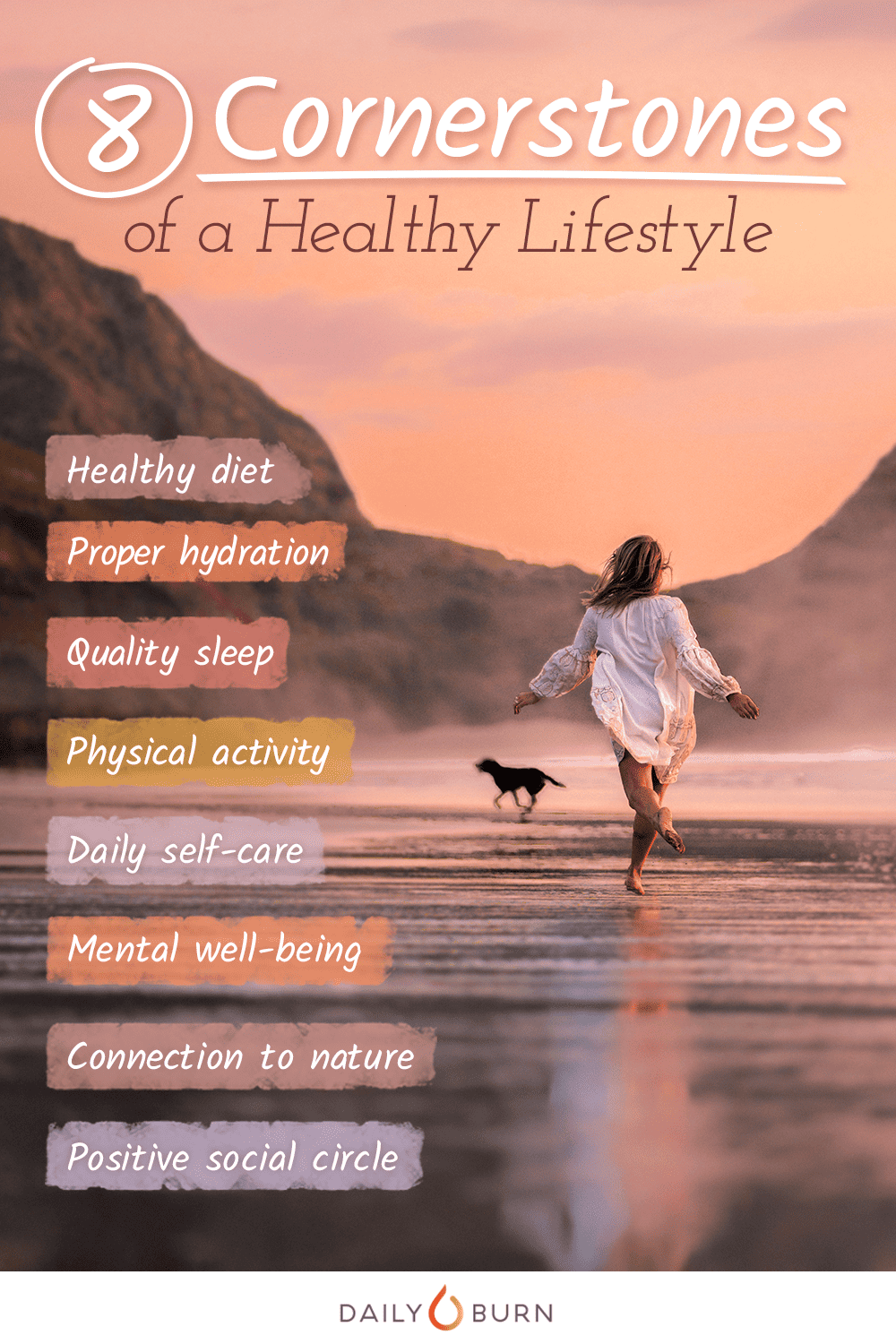
Good health isn’t achieved overnight—it grows from the small, mindful choices we make consistently, day after day.. You don’t need an extreme diet, an expensive gym membership, or hours of free time to feel healthier. What you need is a handful of simple, sustainable habits that fit into your everyday life. In this guide, we’ll cover practical health tips backed by research, covering everything from nutrition and hydration to exercise, sleep, mental wellbeing, and preventive care.
If you’re just getting started on your health journey, pair these tips with our Good Health: Simple Habits for a Healthier and Happier Life guide for a deeper dive into daily routines.
Why Small Habits Matter More Than Big Overhauls
Most people approach health improvement the wrong way — they try to change everything at once, burn out within two weeks, and give up entirely. Sustainable health isn’t about willpower; it’s about designing habits small enough that you can maintain them even on your busiest, most tired days. The tips below are intentionally simple, because simple habits are the ones that actually survive real life.
1. Build Your Plate Around Whole, Nutrient-Dense Foods
Nutrition is the foundation of every other health habit. According to the CDC’s healthy eating guidelines, a healthy eating pattern emphasizes protein, dairy, vegetables, fruits, healthy fats, and whole grains, while limiting highly processed foods, added sugar, and excess sodium. You don’t need to overhaul your entire diet overnight — small swaps add up quickly, and consistency over months matters far more than perfection on any single day.
- Add a source of fiber (vegetables, legumes, whole grains) to at least two meals a day.
- Swap sugary drinks for water, herbal tea, or sparkling water.
- Keep sliced vegetables or fruit visible and accessible for easy snacking.
- Cook at home more often, even if it’s just a few extra meals a week.
- Practice portion awareness rather than strict calorie counting, especially when starting out.
2. Don’t Underestimate Hydration
Hydration is one of the most overlooked health habits, yet even mild dehydration can affect energy levels, concentration, and mood. Many people mistake thirst for hunger or fatigue, reaching for food or caffeine when what their body actually needs is water.
- Make hydration part of your morning routine by drinking a glass of water before reaching for coffee or tea.
- Keep a reusable bottle nearby throughout the day to make staying hydrated simple and effortless.
- Increase intake during exercise, hot weather, or illness.
- Watch for signs of mild dehydration, like headaches or dark-colored urine, and adjust accordingly.
3. Move Your Body Every Day — Even a Little
You don’t need an intense workout to benefit from physical activity. Regular moderate activity, like walking, offers immediate and long-term benefits for heart health, mood, and energy levels. The key is consistency, not intensity — a 20-minute walk done daily will outperform an intense hour-long workout you only manage once a month.
- Make movement a daily habit by getting 20–30 minutes of activity on most days—even a simple walk can make a meaningful difference.
- Take the stairs instead of the elevator when possible.
- Break up long periods of sitting with a 5-minute stretch or walk every hour.
- Choose one activity you genuinely enjoy — you’re far more likely to stick with it.
- Mix in some strength-based movement, like bodyweight exercises, a couple of times a week.
4. Prioritize Quality Sleep
Sleep is often the first habit people sacrifice, yet it affects nearly every other area of health, from immunity to mental clarity. Most adults need 7–9 hours of quality sleep per night, and consistency matters as much as duration — going to bed and waking up at similar times each day helps regulate your body’s internal clock.
- Stick to a regular sleep and wake schedule throughout the week—even on weekends—to help your body maintain a steady, healthy rhythm.
- Avoid screens for 30 minutes before bed to help your mind wind down.
- Keep your bedroom cool, dark, and quiet.
- Limit caffeine intake after early afternoon.
- Create a short wind-down ritual — reading, stretching, or journaling — to signal to your body it’s time to rest.
5. Manage Stress Before It Manages You
Chronic stress doesn’t just affect your mood — it has real physical consequences, including weakened immunity and increased risk of chronic disease. Building small stress-management habits into your day can make a meaningful difference over time, even when you can’t remove the source of stress itself.
- Practice deep breathing or a short meditation for 5 minutes daily.
- Spend time outdoors, even briefly — natural light and fresh air help regulate mood.
- Set boundaries around work hours and notifications when possible.
- Talk to someone you trust regularly, rather than bottling up stress.
- Notice early physical signs of stress, like tension headaches or a tight jaw, as a cue to pause.
6. Start Small When Building New Habits
One of the biggest reasons health habits don’t stick is trying to change too much, too fast. The CDC’s guidance on building new habits recommends starting with something manageable — even just 5–10 minutes of a new activity once a week — and gradually building confidence before adding more challenges.
- Pick one habit to focus on at a time instead of overhauling everything at once.
- Keep track of your progress with a simple journal or wellness app, so you can see your small wins and stay motivated along the way.
- Expect setbacks — consistency over weeks matters more than any single day.
- Celebrate small wins to reinforce the habit loop, rather than waiting for a “big” result.
7. Don’t Skip Preventive Care
Many health problems are far easier to manage — or avoid entirely — when caught early. Regular checkups, screenings, and staying current on vaccinations are some of the most overlooked yet impactful health habits, precisely because they don’t produce an immediate, visible reward.
- Schedule annual checkups with your doctor and dentist.
- Keep track of recommended screenings based on your age and health history.
- Don’t ignore persistent symptoms, even if they seem minor.
- Keep a personal record of your health history and medications for easy reference during appointments.
8. Limit Alcohol and Avoid Smoking
Both alcohol and tobacco use place significant strain on the body over time, affecting everything from heart and liver health to immune function. Reducing intake — or quitting altogether — is one of the most impactful changes you can make for long-term health, and the benefits often begin appearing sooner than people expect.
- If you drink, stay within recommended moderate limits.
- Seek support if you’re trying to quit smoking; you don’t have to do it alone.
- Be mindful of how alcohol affects your sleep quality, even in small amounts.
- Track how you feel a few weeks after cutting back — improved energy is often the first noticeable change.
9. Stay Socially Connected
Physical health and mental health are deeply connected, and strong social relationships are consistently linked to better overall wellbeing and even longevity. Isolation, on the other hand, is increasingly recognized as a genuine health risk, comparable in some studies to more traditional risk factors like smoking.
- Make time for friends and family, even in small, regular doses.
- Join a class, club, or group activity built around something you enjoy.
- Check in on people you care about — connection tends to be mutual.
- Prioritize quality over quantity in relationships; a few close connections matter more than a large network.
Frequently Asked Questions
What’s the easiest health tip to start with today? Hydration and short daily walks are two of the simplest habits to start immediately, requiring no equipment or major lifestyle change.
How long does it take to notice a difference from healthier habits? Some benefits, like improved energy or better sleep, can appear within days to weeks. Others, like long-term disease prevention, build up gradually over months and years of consistency.
Is it necessary to change everything at once for better health? No — and it’s usually counterproductive. Focusing on one or two habits at a time leads to better long-term results than attempting a complete overhaul all at once.
Can small habits really make a big difference to overall health? Yes. Research on habit formation consistently shows that small, repeatable actions compound significantly over time, often producing results that dramatic short-term changes fail to sustain.
Final Thoughts
Better health doesn’t require perfection — it requires consistency. Pick one or two tips from this guide, apply them for the next few weeks, and build from there before adding more. Small, sustainable habits compound over time into meaningful, lasting change, and the goal isn’t to be flawless — it’s to keep showing up for yourself, one day at a time.
For more guidance on building a healthier lifestyle, explore our full Health section for more research-backed tips and habit guides.