The Best Fluffy Pancakes recipe you will fall in love with. Full of tips and tricks to help you make the best pancakes.

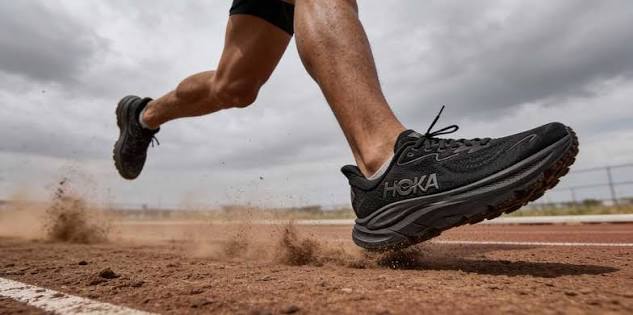
A decade ago, Hoka was a niche brand known almost exclusively among ultramarathon runners for its unusually thick, cushioned soles that looked almost comically oversized next to traditional racing flats. Today, it’s one of the most recognizable names in footwear, worn by runners, walkers, nurses, and people who’ve simply never found a more comfortable everyday shoe. But that popularity has also made Hoka’s lineup genuinely confusing — dozens of models, each with a different cushioning level, stability profile, and intended use.
This guide breaks down Hoka’s core models, what actually separates them, and how to pick the right one based on how you’ll actually use it, not just which one is trending.
What Makes Hoka Different From Other Sneaker Brands
Hoka built its identity around maximalist cushioning — significantly thicker midsoles than traditional running shoes — paired with a rockered sole design that encourages a smooth, rolling stride from heel to toe. This combination is intended to reduce impact stress on joints while maintaining a surprisingly lightweight feel for how much cushioning is actually underfoot, which is part of why Hoka appeals to both serious runners logging high mileage and people on their feet all day for work who aren’t runners at all.
Hoka’s Core Model Lineup Explained
Hoka Clifton: The Everyday All-Rounder
The Clifton is Hoka’s most popular and versatile model, balancing lightweight cushioning with a relatively neutral, responsive ride suited to daily training, walking, or all-day wear. It’s generally considered the best starting point for anyone new to Hoka, since it captures the brand’s signature comfort without leaning too far into any specialized use case.
Best for: First-time Hoka buyers and anyone wanting one versatile shoe for both walking and casual running.
Hoka Bondi: Maximum Cushioning
The Bondi represents Hoka’s most cushioned, plush option, prioritizing comfort and shock absorption above all else. It’s heavier than the Clifton but offers a noticeably softer ride, making it a favorite among people who stand or walk for long hours, as well as runners specifically seeking maximum joint protection over speed.
Best for: All-day standing or walking, recovery days, and runners prioritizing comfort over a fast, responsive feel.
Hoka Speedgoat: Built for Trails
The Speedgoat is Hoka’s flagship trail running shoe, combining the brand’s signature cushioning with an aggressive outsole designed for grip on uneven, technical terrain. It remains one of the most decorated trail shoes in ultrarunning, frequently appearing on the feet of competitive trail and ultramarathon athletes.
Best for: Trail running, hiking, and any use involving loose or uneven terrain.
Hoka Mach: Speed-Focused Training
The Mach line trades some of Hoka’s maximum cushioning for a lighter, more responsive ride geared toward faster training runs and tempo work, while still retaining noticeably more cushioning than a traditional lightweight trainer from other brands.
Best for: Runners and hikers who spend more time on dirt, rock, and roots than pavement
Hoka Arahi: Stability-Focused
The Arahi is Hoka’s primary stability shoe, designed for runners who overpronate (whose feet roll inward excessively while running) and need additional support through the midsole, while still offering Hoka’s characteristic cushioned feel.
Best for: Runners who need stability support but still want Hoka’s comfort profile.
Hoka Kawana: Everyday Comfort With a Softer Price
Positioned as a more affordable, everyday-focused alternative to the Clifton and Bondi, the Kawana offers Hoka’s core comfort proposition at a lower price point, making it a reasonable entry option for budget-conscious first-time buyers.
Best for: Buyers wanting Hoka’s comfort at a lower price point than the flagship models.
How to Choose the Right Hoka for You
If you’re not sure where to start: The Clifton is the safest, most broadly recommended entry point into the Hoka lineup, since it represents the brand’s core identity without leaning heavily into any specialized category.
If comfort matters more than speed: The Bondi’s extra cushioning makes it a strong choice for all-day wear, standing jobs, or simply prioritizing plushness over performance.
If you run trails or hike: The Speedgoat’s grip and durability on technical terrain make it purpose-built for off-road use in a way road-focused models aren’t.
If you have overpronation or stability concerns: The Arahi is designed specifically to address this, and it’s worth trying if a podiatrist or running specialist has identified stability as something you need in a shoe.
If budget is a real constraint: The Kawana offers a lower-cost path into Hoka’s comfort profile without needing to buy a flagship-priced model, making it a reasonable way to try the brand’s core proposition before committing to a pricier option.
Hoka vs. Traditional Running Shoe Brands
Compared to more traditional running shoe brands like Nike, Brooks, or Asics, Hoka’s defining difference remains its stack height — the amount of foam between your foot and the ground — which is noticeably taller across most of its lineup than comparable shoes from competitors, giving Hoka shoes their distinctive, slightly oversized silhouette. This isn’t purely a marketing distinction; it genuinely changes how the shoe feels underfoot, trading some ground feel and shoe “responsiveness” for cushioning and impact absorption. Runners transitioning from a traditional lower-profile shoe to Hoka sometimes need a short adjustment period to get used to the taller platform and slightly different balance feel, particularly on uneven surfaces.
Do Hoka Shoes Actually Help With Foot and Joint Pain?
Many wearers, including nurses, retail workers, and people who stand for long shifts, report genuine relief from foot, knee, and back discomfort after switching to Hoka’s thicker cushioning, often describing it as the first shoe that’s made an entire 10-hour shift feel manageable. That said, individual results vary considerably, and Hoka’s maximalist cushioning isn’t universally considered ideal by every podiatrist or physical therapist — some runners actually prefer more ground feedback and find overly cushioned shoes reduce natural foot strength over time if worn exclusively. If you’re specifically buying Hoka shoes to address existing foot or joint pain rather than general comfort, it’s worth consulting a podiatrist or physical therapist about whether maximalist cushioning is the right fit for your specific situation, rather than assuming it’s a universal solution.
Sizing: A Common Point of Confusion
Hoka’s fit tends to run slightly different from many mainstream sneaker brands, and it’s a common enough issue that checking size charts and reviews for the specific model you’re considering — rather than assuming your regular shoe size applies universally across Hoka’s entire lineup — is worth the extra few minutes before buying, especially when purchasing online without trying them on first.
Caring for Hoka Sneakers to Extend Their Life
Hoka’s foam-based midsoles, like most modern running shoe cushioning, gradually compress and lose responsiveness over time and mileage, generally recommended for replacement after several hundred miles for running-specific use, even if they still look wearable on the outside. For non-running everyday wear, they’ll typically last considerably longer before cushioning degradation becomes noticeable. Rotating between two pairs, if you wear them heavily, can also extend the usable life of each pair by giving the foam time to fully decompress between wears — a habit borrowed from serious runners that applies just as well to someone wearing Hoka shoes on their feet all day at work.
If you’re building out a broader wardrobe around comfort and quality, our luxury fashion guide covers a similar framework for evaluating what you’re actually paying for across different price points, applied to a different category of purchase.
Frequently Asked Questions
What’s the most popular Hoka shoe? The Clifton is generally considered Hoka’s flagship, most versatile model, and is frequently recommended as the best starting point for first-time buyers.
Are Hoka shoes good for walking, not just running? Yes — many Hoka models, particularly the Bondi and Clifton, are widely used for all-day walking and standing, not exclusively running, thanks to their cushioning-focused design.
Do Hoka shoes run true to size? Fit can vary somewhat by model, and many buyers find it useful to check specific size guidance or reviews for the exact shoe they’re considering rather than assuming consistent sizing across the entire lineup.
How long do Hoka running shoes typically last? For regular running use, most running shoes, including Hoka’s, are generally recommended for replacement after several hundred miles, though everyday non-running wear typically extends usable life considerably longer.
Conclusion
Hoka’s lineup can feel overwhelming at first, but the core decision usually comes down to a few key questions: do you want maximum cushioning (Bondi) or a lighter everyday feel (Clifton), do you need trail grip (Speedgoat) or stability support (Arahi), and how much are you looking to spend (Kawana as a lower-cost entry point). Starting with the Clifton if you’re unsure, and adjusting from there based on how it feels on your own foot rather than what worked for someone else, remains the most straightforward path into the brand.
For current pricing, availability, and detailed specs on Hoka’s full lineup, Hoka’s official website is the most reliable, up-to-date source to check before buying.