
The Best Fluffy Pancakes recipe you will fall in love with. Full of tips and tricks to help you make the best pancakes.

Introduction
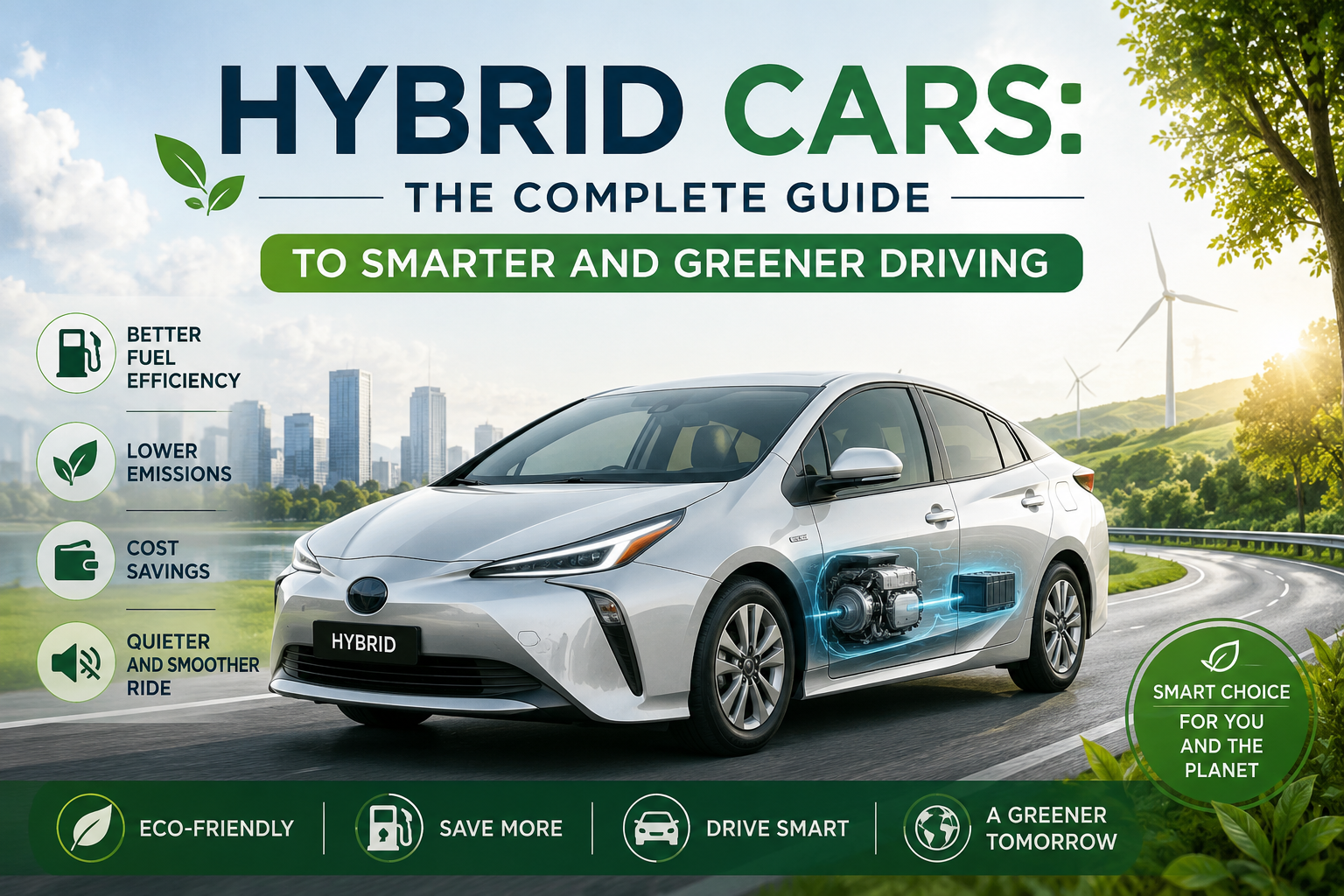
As fuel prices continue to fluctuate and environmental concerns become more important, many drivers are looking for vehicles that offer better efficiency without sacrificing convenience. Hybrid cars have become one of the most practical choices, combining a gasoline engine with an electric motor to deliver improved fuel economy and lower emissions.
Whether you’re buying your first hybrid vehicle or simply exploring your options, understanding how these cars work can help you make a confident decision.
In this guide, you’ll learn what hybrid cars are, how they operate, their advantages and disadvantages, and the key factors to consider before making a purchase.
What Are Hybrid Cars?
Hybrid cars are vehicles that use both a traditional gasoline engine and an electric motor to power the vehicle. These systems work together to improve fuel efficiency while reducing emissions.
Unlike fully electric vehicles, hybrid cars do not require regular charging from an external power source. Instead, the battery is automatically recharged through regenerative braking and the gasoline engine.
Featured Snippet Answer
What are hybrid cars?
Hybrid cars are vehicles powered by both a gasoline engine and an electric motor. They automatically switch between or combine these power sources to improve fuel efficiency, reduce fuel consumption, and lower harmful emissions.
How Do Hybrid Cars Work?
A hybrid vehicle intelligently manages its two power sources depending on driving conditions.
Electric Motor
At low speeds or during light acceleration, the electric motor often powers the vehicle, reducing fuel consumption.
Gasoline Engine
When additional power is required, such as highway driving or rapid acceleration, the gasoline engine assists or takes over.
Regenerative Braking
One of the most innovative features of hybrid cars is regenerative braking. Instead of wasting energy during braking, the system converts that energy into electricity and stores it in the battery for later use.
This process helps improve efficiency without requiring the driver to plug in the vehicle.
Types of Hybrid Cars
Not every hybrid vehicle operates the same way. Understanding the different types helps buyers choose the right model.
Mild Hybrid
A mild hybrid uses a small electric motor to support the gasoline engine but cannot drive using electricity alone.
Best for:
- Improved fuel economy
- Lower purchase price
- Everyday commuting
Full Hybrid
A full hybrid can operate using the gasoline engine, electric motor, or both together depending on driving conditions.
Benefits include:
- Better fuel efficiency
- Smooth city driving
- Reduced fuel costs
Plug-In Hybrid (PHEV)
Plug-in hybrid vehicles feature larger batteries that can be charged externally.
Advantages include:
- Longer electric-only driving range
- Lower fuel usage
- Ideal for short daily commutes
However, owners should have convenient access to charging for maximum benefits.
Benefits of Hybrid Cars
Hybrid vehicles continue gaining popularity because they offer several practical advantages.
Excellent Fuel Economy
One of the biggest reasons people choose hybrid cars is reduced fuel consumption.
Many hybrid models travel significantly farther on each gallon of fuel compared to traditional gasoline vehicles.
Lower Emissions
Because the electric motor handles part of the driving workload, hybrid cars produce fewer greenhouse gas emissions.
This makes them a more environmentally responsible choice.
Reduced Fuel Costs
Better fuel efficiency means drivers spend less money at the gas station over time.
Although purchase prices may be slightly higher, many owners recover part of the additional cost through fuel savings.
Quiet Driving Experience
Electric motors operate quietly, creating a smoother and more comfortable driving experience, especially in city traffic.
Less Engine Wear
Because the electric motor shares much of the workload, the gasoline engine operates less frequently, helping reduce wear on key engine components over time.
Potential Drawbacks of Hybrid Cars
While hybrid cars offer many advantages, they’re not perfect for every driver.
Higher Purchase Price
Hybrid vehicles generally cost more than comparable gasoline models.
However, long-term fuel savings may offset the higher initial investment.
Battery Replacement Costs
Hybrid batteries are designed to last many years, but replacement can be expensive once they eventually wear out.
Fortunately, modern hybrid batteries often last well beyond 100,000 miles with proper care.
Limited Electric Range
Standard hybrids only travel short distances using electric power alone.
Drivers seeking longer electric-only driving should consider plug-in hybrids or fully electric vehicles.
How to Choose the Right Hybrid Car
Finding the best hybrid depends on your driving habits and personal priorities.
Consider Your Daily Driving
Drivers who mostly commute in urban areas usually benefit most from hybrid technology because city traffic allows frequent use of the electric motor.
Compare Fuel Economy
Look beyond marketing claims and compare official fuel economy ratings between different models.
Even small differences can save hundreds of dollars over several years.
Evaluate Maintenance Costs
Research maintenance schedules, warranty coverage, and battery warranties before purchasing.
Reliable manufacturers often provide extended battery coverage for added peace of mind.
Think About Your Budget
Calculate the total cost of ownership rather than focusing only on the purchase price.
Include:
- Fuel costs
- Insurance
- Maintenance
- Taxes
- Expected resale value
This provides a more accurate financial comparison.
Popular Hybrid Cars Worth Considering
Several manufacturers have built strong reputations for producing reliable hybrid vehicles.
Popular choices include:
- Toyota Prius
- Toyota Corolla Hybrid
- Toyota Camry Hybrid
- Honda Accord Hybrid
- Hyundai Elantra Hybrid
- Kia Niro Hybrid
- Ford Escape Hybrid
- Lexus RX Hybrid
Each model offers unique features, pricing, and performance depending on individual needs.
Tips for Getting the Most from a Hybrid Car
Drivers can maximize efficiency by following a few simple habits.
- Accelerate smoothly.
- Avoid unnecessary idling.
- Maintain proper tire pressure.
- Follow scheduled maintenance.
- Use regenerative braking effectively.
- Remove unnecessary weight from the vehicle.
- Drive at consistent speeds whenever possible.
Small driving adjustments can noticeably improve fuel economy.
Frequently Asked Questions
Are hybrid cars worth buying?
Yes. Hybrid cars are an excellent choice for drivers seeking improved fuel efficiency, lower fuel costs, and reduced emissions without relying entirely on charging infrastructure.
Do hybrid cars need to be plugged in?
Most standard hybrid cars recharge automatically while driving through regenerative braking and the gasoline engine. Only plug-in hybrid vehicles require external charging.
How long do hybrid batteries last?
Most hybrid batteries last between 8 and 15 years or well over 100,000 miles, depending on driving habits and manufacturer warranties.
Are hybrid cars expensive to maintain?
Routine maintenance is generally similar to conventional vehicles, and many hybrid systems are designed for long-term reliability. Battery replacement is uncommon during the early years of ownership.
Conclusion
Hybrid cars provide an excellent balance between fuel efficiency, performance, and environmental responsibility. They are especially well-suited for drivers who want lower running costs without changing their driving habits or depending entirely on charging stations.
By understanding how hybrid technology works, comparing different models, and evaluating your driving needs, you can confidently choose a vehicle that delivers long-term value and everyday convenience.
For more expert automotive buying guides, vehicle comparisons, and practical driving tips, continue exploring CollectiveMagzine and stay informed before your next car purchase.