The Best Fluffy Pancakes recipe you will fall in love with. Full of tips and tricks to help you make the best pancakes.

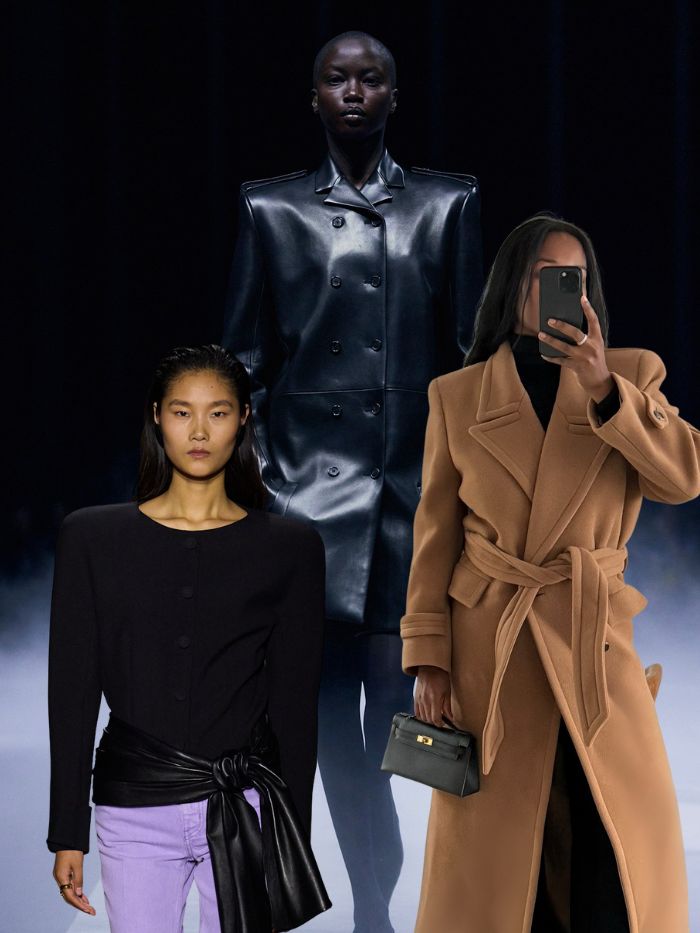
The word “luxury” gets attached to almost everything in fashion marketing today — from genuinely exclusive haute couture houses to mass-produced items with a designer logo slapped on. That blurring makes it harder than ever to understand what actually separates true luxury fashion from premium or “designer” branding, and whether the price difference is ever really worth it.
This guide breaks down what defines luxury fashion, how the industry has changed in 2026, and how to shop for it more intelligently, whether you’re buying your first investment piece or just trying to understand what you’re actually paying for.
What Actually Defines “Luxury” in Fashion
Luxury fashion is generally defined by a combination of factors beyond just price: exceptional craftsmanship, high-quality materials, limited production, brand heritage, and a level of exclusivity that mass-market and even premium “designer” brands don’t have. A genuine luxury piece is typically made using traditional techniques, often partly by hand, by skilled artisans — which is part of why luxury goods carry a price tag that mass production simply can’t replicate, regardless of how convincing the branding looks.
Luxury vs. Designer vs. Premium: What’s the Real Difference?
Luxury brands (like Hermès, Chanel, or Louis Vuitton) emphasize heritage, exceptional materials, and often limited or made-to-order production, with pricing that reflects genuine scarcity and craftsmanship rather than just brand markup.
Designer brands cover a broader range, including some luxury houses but also brands that are well-known and stylish without necessarily matching true luxury’s craftsmanship standards or exclusivity — quality and pricing here vary considerably.
Premium brands sit a step above mass-market retail in materials and construction, but are produced at a larger scale and typically lack the brand heritage, exclusivity, or artisanal production methods associated with true luxury.
Understanding this distinction matters because “designer” and “luxury” are often used interchangeably in marketing, even though the actual production standards and value proposition behind them can be very different.
What You’re Actually Paying For in Luxury Fashion
Materials. Genuine luxury goods use higher-grade leathers, fabrics, and components, sourced and selected with more scrutiny than mass-market alternatives — a meaningful factor in both how the item looks and how long it lasts.
Craftsmanship. Many luxury houses still rely on skilled artisans trained in techniques passed down over generations, and the labor-intensive nature of that production is a real cost, not just a marketing story.
Brand heritage and exclusivity. Decades or centuries of brand history, combined with deliberately limited production in some categories, contribute to both the price and the resale value of certain luxury items.
Design and innovation. Luxury houses invest heavily in design talent and, for major houses, elaborate runway shows and creative direction that shape the broader fashion industry, not just their own product line.
It’s worth being clear that not every dollar of a luxury price tag reflects material cost — brand positioning and marketing are real components of the price too. But the gap between mass-market and genuine luxury construction quality is also real and often noticeable once you know what to look for.
Luxury Fashion Trends Shaping 2026
Quiet Luxury Continues, But With More Personality
The minimalist, logo-free “quiet luxury” aesthetic that dominated recent years remains influential, but 2026 has seen it evolve into something slightly less austere — subtle personal touches and quality-forward pieces without the loud branding of previous decades.
Sustainability Is Becoming a Genuine Differentiator
More luxury houses are investing in traceable, sustainably sourced materials and repair or resale programs, partly driven by consumer demand and partly by regulation in some markets. This is increasingly treated as a serious part of luxury positioning rather than just a marketing add-on.
The Resale and Secondhand Luxury Market Keeps Growing
Platforms specializing in authenticated secondhand luxury goods have made buying and selling used luxury items far more mainstream, giving buyers a lower-cost entry point and giving certain luxury pieces genuine investment-like resale value over time.
Personalization and Made-to-Order Options
Several luxury houses now offer more accessible customization and made-to-order options than in previous years, reflecting demand for more individual, less mass-produced luxury purchases even within established brands.
The Growing Problem of Convincing Counterfeits
As counterfeit manufacturing has become more sophisticated, distinguishing authentic luxury goods from high-quality fakes has gotten meaningfully harder, particularly for accessories and handbags, which remain among the most counterfeited luxury categories. This has pushed both buyers and brands toward more rigorous authentication methods — serial numbers, microchipping in some newer product lines, and third-party authentication services that specialize in verifying luxury goods before resale. If you’re buying secondhand or through a marketplace rather than directly from a brand or authorized retailer, using a reputable authentication service is worth the extra step, since even experienced buyers can be fooled by top-tier counterfeits today.
Do Luxury Items Actually Hold Their Value?
Not all luxury fashion holds value equally. Certain iconic handbags from brands like Hermès and Chanel have developed genuine investment-like resale markets, sometimes appreciating over time due to deliberate scarcity and strong ongoing demand. Most luxury clothing, however, particularly seasonal runway pieces, tends to depreciate similarly to other fashion items, regardless of brand. If long-term resale value is important to you, choose a model that is known to hold its value well.
decision, researching a specific item’s historical resale performance is far more useful than assuming any luxury logo guarantees value retention.
How to Shop for Luxury Fashion Smartly
Consider what actually saves money vs. what’s just convenient. Not every luxury purchase needs to be justified by resale value or longevity — buying something purely because you love it is a legitimate reason too, as long as it’s a conscious choice rather than an assumption that the price tag alone guarantees investment-worthy quality.
Buy fewer, better pieces. A well-made luxury item that lasts a decade often costs less per wear than several cheaper items replaced repeatedly over the same period — a concept often called “cost per wear.”
Learn to recognize genuine quality markers. Stitching consistency, material weight and feel, hardware quality, and finishing details are worth learning to evaluate directly rather than relying on branding alone, especially as counterfeit quality has also improved.
Consider the secondhand luxury market. Authenticated resale platforms can offer meaningful savings on items that will still last for years, particularly for accessories and bags, which tend to hold construction quality better than some clothing categories over time.
Be skeptical of “luxury” marketing on mass-produced items. Genuine luxury involves real constraints — limited production, higher material costs, and slower manufacturing — that are difficult to fake at scale, no matter how premium the marketing language sounds.
If you appreciate this kind of buyer’s-guide approach to major purchases — understanding what you’re really paying for and what holds value over time — our luxury SUV buying guide applies a similar lens to a very different category of luxury purchase.
Common Myths About Luxury Fashion
Myth: A higher price always means better quality. Brand markup, marketing spend, and exclusivity positioning all factor into luxury pricing beyond pure material and craftsmanship cost, so price alone isn’t a reliable quality indicator across every brand and category.
Myth: All designer items are “luxury.” Many well-known designer labels operate at a premium, not true luxury, level of production and exclusivity, even when priced significantly above mass-market retail.
Myth: Luxury fashion is only for the ultra-wealthy. Entry points like accessories, small leather goods, or secondhand pieces make certain luxury categories more accessible than people often assume, even if ready-to-wear collections remain out of reach for most.
Frequently Asked Questions
What’s the difference between luxury and designer fashion? Luxury generally implies exceptional craftsmanship, heritage, and exclusivity, while “designer” is a broader term that includes some true luxury houses alongside brands that are stylish and well-known without matching luxury’s production standards.
Do luxury handbags really appreciate in value? Some iconic pieces from brands like Hermès and Chanel have historically appreciated due to scarcity and demand, but this isn’t true of most luxury fashion items, including most clothing, which typically depreciates like other fashion goods.
Is buying secondhand luxury a good idea? Yes, particularly through authenticated resale platforms, since it can offer meaningful savings on well-made items that will still last for years, especially in accessories and handbag categories.
How can I tell if a luxury item is genuinely well-made? Look closely at stitching consistency, material weight and texture, hardware quality, and overall finishing — these details are harder to fake convincingly than branding alone and are a more reliable quality signal than price or logo recognition.
Conclusion
True luxury fashion is defined by genuine craftsmanship, quality materials, and brand heritage — not just price or logo recognition. Understanding that distinction, along with which categories actually hold resale value, helps you shop more intentionally, whether that means investing in one well-made piece a year or exploring the growing secondhand luxury market for a lower-cost entry point into a category you genuinely care about.
For ongoing analysis of the luxury fashion industry and its economics, Business of Fashion is a widely respected, authoritative source in the space.