The Best Fluffy Pancakes recipe you will fall in love with. Full of tips and tricks to help you make the best pancakes.

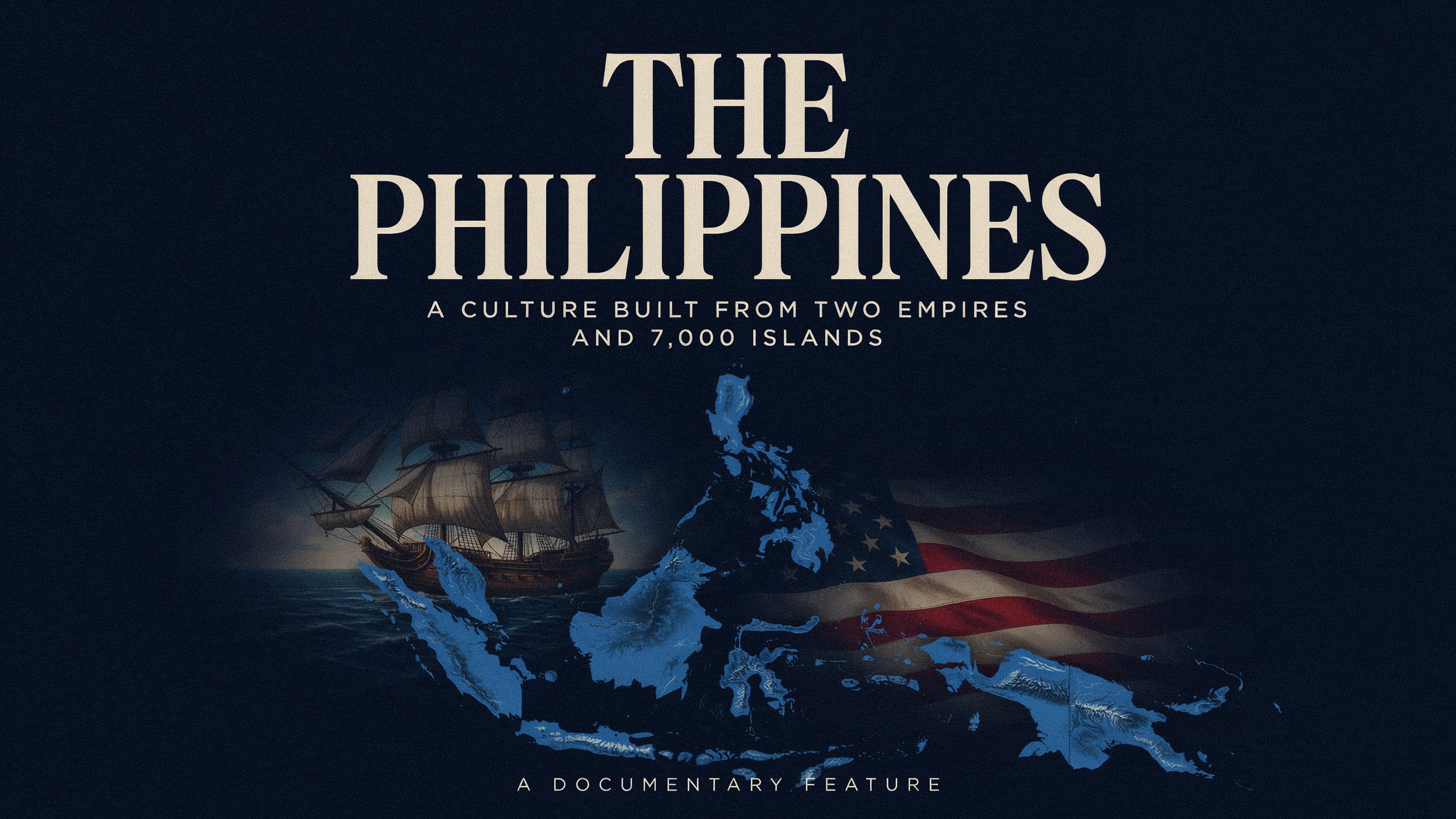
Few countries in Asia carry as tangled and distinctive a mix of influences as the Philippines. Centuries under Spanish rule, decades under American governance, deep Southeast Asian roots underneath it all, and a strongly Catholic identity layered on top — the combination doesn’t map neatly onto its regional neighbors or onto the Western powers that once ran it either. Making sense of Philippine culture means tracing how those layers stacked on top of each other and somehow produced something that stayed distinctly, unmistakably Filipino the whole way through.
This guide walks through where that identity actually came from, the values that hold daily life together across thousands of islands, and how all of it shows up in the Philippines today.
A History Written by Two Empires
Spanish colonial rule lasted over 300 years in the Philippines, followed by nearly half a century under American governance after the Spanish-American War, before the country finally reached full independence in the mid-20th century. That sequence is why the Philippines stands apart from nearly every one of its Southeast Asian neighbors — it’s the only major nation in the region with a Christian, specifically Catholic, majority, and its language, legal system, and everyday cultural touchpoints all carry the fingerprints of Spanish, American, and indigenous Southeast Asian influence stacked directly on top of one another.
Faith Runs Through Nearly Everything
Catholicism arrived with Spanish colonization and never really left — the Philippines remains one of the largest Catholic-majority nations on earth, and that faith shapes family life, social custom, and the national calendar in ways that extend well past strict religious observance. Sunday mass, religious festivals, and Catholic values around family and morality stay culturally central even among Filipinos who wouldn’t describe themselves as particularly devout day to day.
That said, the picture isn’t uniform. The southern Philippines, especially the Mindanao region, is home to a significant Muslim population with its own cultural and historical identity, one that actually predates Spanish colonization entirely. Indigenous belief systems and Protestant Christian communities round out a religious landscape that’s genuinely more varied than the country’s Catholic-majority reputation tends to suggest on its own.
The Values That Actually Hold Things Together
Bayanihan is probably the single word most closely tied to Filipino cultural identity — derived from “bayan,” meaning town or community, it describes a spirit of communal unity and mutual aid, traditionally pictured as neighbors literally lifting a family’s house and carrying it to a new location together. The image is old, but the underlying value shows up constantly today, in how Filipino communities mobilize for each other during hardship, natural disasters, or major life events.
Family sits above nearly everything else in daily priorities. Obligations toward parents, siblings, and extended relatives extend well past the immediate household, multi-generational homes are common, and supporting family members financially — including relatives working overseas who send money home — is treated as a basic responsibility, not an optional gesture.
Pakikisama, roughly translated as maintaining smooth interpersonal relationships, reflects a broader emphasis on harmony and avoiding open conflict wherever possible. It connects directly to Filipino hospitality’s reputation for warmth: guests get offered food almost immediately, and gatherings tend to prioritize inclusion and shared abundance over formality or fuss.
Utang na loob — literally “debt of the inside,” or debt of gratitude — describes something that goes beyond ordinary politeness. It’s a genuine, long-term sense of reciprocal obligation for kindness received, one that can bind families or individuals together across years, sometimes generations, once that kind of debt has been established.
What’s Actually on the Table
Filipino cuisine carries the country’s layered history straight into its food — indigenous Southeast Asian ingredients and techniques blended with Spanish, Chinese, and American culinary influence. Adobo, often called the closest thing to an unofficial national dish, shows that blend directly: a Spanish-influenced vinegar-and-soy marinade applied to a cooking method that’s distinctly Filipino. Sinigang brings a sour tamarind-based broth to the table, lechon (whole roasted pig) anchors major celebrations, and rice underpins nearly every meal regardless of what else is served alongside it.
Meals themselves tend to be communal rather than individually plated, dishes passed around family-style — one more expression of the same togetherness that shows up everywhere else in Filipino social life.
Where Saints and Street Dancing Share the Same Calendar
The Philippines is dense with regional festivals, or fiestas, most tied to Catholic patron saints and celebrated with genuine local pride — parades, elaborate costumes, entire towns turning out. Sinulog in Cebu and Ati-Atihan in Aklan rank among the best known, drawing huge crowds for street dancing that blends Catholic devotion with pre-colonial indigenous tradition in a way that doesn’t feel contradictory on the ground, even if it sounds that way on paper. Christmas towers over the rest of the calendar as the country’s biggest holiday season, often starting as early as September and running well into January — one of the longest Christmas seasons celebrated anywhere in the world, a direct reflection of just how deeply Catholic the national identity runs.
Two Official Languages, Dozens More Spoken
Filipino, based primarily on Tagalog, and English are both official languages, alongside dozens of regional languages and dialects spoken across the archipelago’s many islands. English fluency is unusually widespread compared to most of Asia, a direct legacy of the American colonial period, and that bilingual capability has become a genuine economic asset — it’s a big part of why industries like business process outsourcing and international customer service have found such a strong home in the Philippines specifically.
Communication style leans indirect, favoring context and reading between the lines over blunt directness, which ties back to that same cultural preference for smooth relationships and avoided confrontation running through so much of Filipino social life.
Home Is Where the Family Is, Even From Thousands of Miles Away
A significant share of the Filipino workforce lives and works abroad, and the remittances they send home represent a genuinely substantial slice of the national economy. That reality has shaped a distinctly Filipino version of long-distance family life — heavy reliance on communication technology, and a cultural insistence on maintaining close family bonds despite geography, that treats distance as a logistical problem to work around rather than a reason to let the relationship fade.
Back home, rapid urbanization — especially in and around Manila — has produced a familiar tension between traditional family and community expectations and the more individualistic pull of modern urban careers, a pattern echoed across much of fast-developing Southeast Asia. Younger, urban Filipinos increasingly navigate both worlds at once, holding onto family obligation while building genuinely independent professional lives alongside it.
Philippine pop culture plays its own role in holding shared identity together. Television dramas known as teleseryes, a large domestic film industry, and a thriving music scene remain hugely popular both at home and among the overseas Filipino diaspora, functioning as a real cultural through-line for people living far from where they grew up.
Misconceptions Worth Correcting
Lumping Philippine culture in with its Southeast Asian neighbors misses what actually makes it distinct — the Catholic majority, the Spanish and American colonial history, the unusually widespread English fluency all set it apart linguistically and culturally from much of the surrounding region.
Assuming the Philippines has one single, unified culture misses the scale of the place entirely. Over 7,000 islands and dozens of regional languages and ethnic groups mean real cultural variation by region, even while a set of broader national values and a shared Catholic identity hold things together at the national level.
And treating Filipino hospitality as simple politeness undersells it. It’s rooted in deeper values — bayanihan, utang na loob — around community and reciprocity, not just a social nicety extended to guests out of habit.
An Identity That Reaches Well Beyond the Islands
Beyond the sheer size of the overseas Filipino workforce, cultural exports like cuisine, music, and a strong global presence in healthcare and service industries keep shaping how Filipino culture gets experienced well past the country’s own borders. If you’re curious how other nations have similarly folded colonial history into a strong, distinct national identity, our guide to Turkish culture covers a comparable tension between outside historical influence and a culture that stayed unmistakably its own.
Frequently Asked Questions
What religion is most common in the Philippines? Catholicism, a direct legacy of over 300 years of Spanish colonial rule, making the Philippines one of the largest Catholic-majority nations anywhere in the world.
What language do Filipinos actually speak? Filipino, based on Tagalog, and English are both official languages, with dozens of additional regional languages spoken across the country’s many islands.
What does bayanihan actually mean? A spirit of communal unity and mutual aid, traditionally pictured as neighbors helping carry a family’s house to a new location — it remains a genuinely active value in Filipino community life today, not just a historical image.
Why is Filipino culture so shaped by Spain and America specifically? Spanish colonial rule lasted over 300 years, followed by nearly half a century of American governance, and both periods left lasting marks on religion, language, legal structure, and broader cultural identity that are still visible today.
Where This All Leaves You
Philippine culture works best understood as a genuine blend rather than a single tradition — Southeast Asian roots carrying centuries of Spanish and American influence, held together by deeply felt values around family, community, and hospitality. From bayanihan’s instinct toward mutual aid to family bonds that stretch across oceans without breaking, connection sits at the center of Filipino identity in a way that shapes both the nation itself and the enormous, influential diaspora it’s sent out into the world.
For further reading on Philippine cultural heritage and traditions, the UNESCO World Heritage listings for the Philippines are a reliable, authoritative resource.