
The Best Fluffy Pancakes recipe you will fall in love with. Full of tips and tricks to help you make the best pancakes.

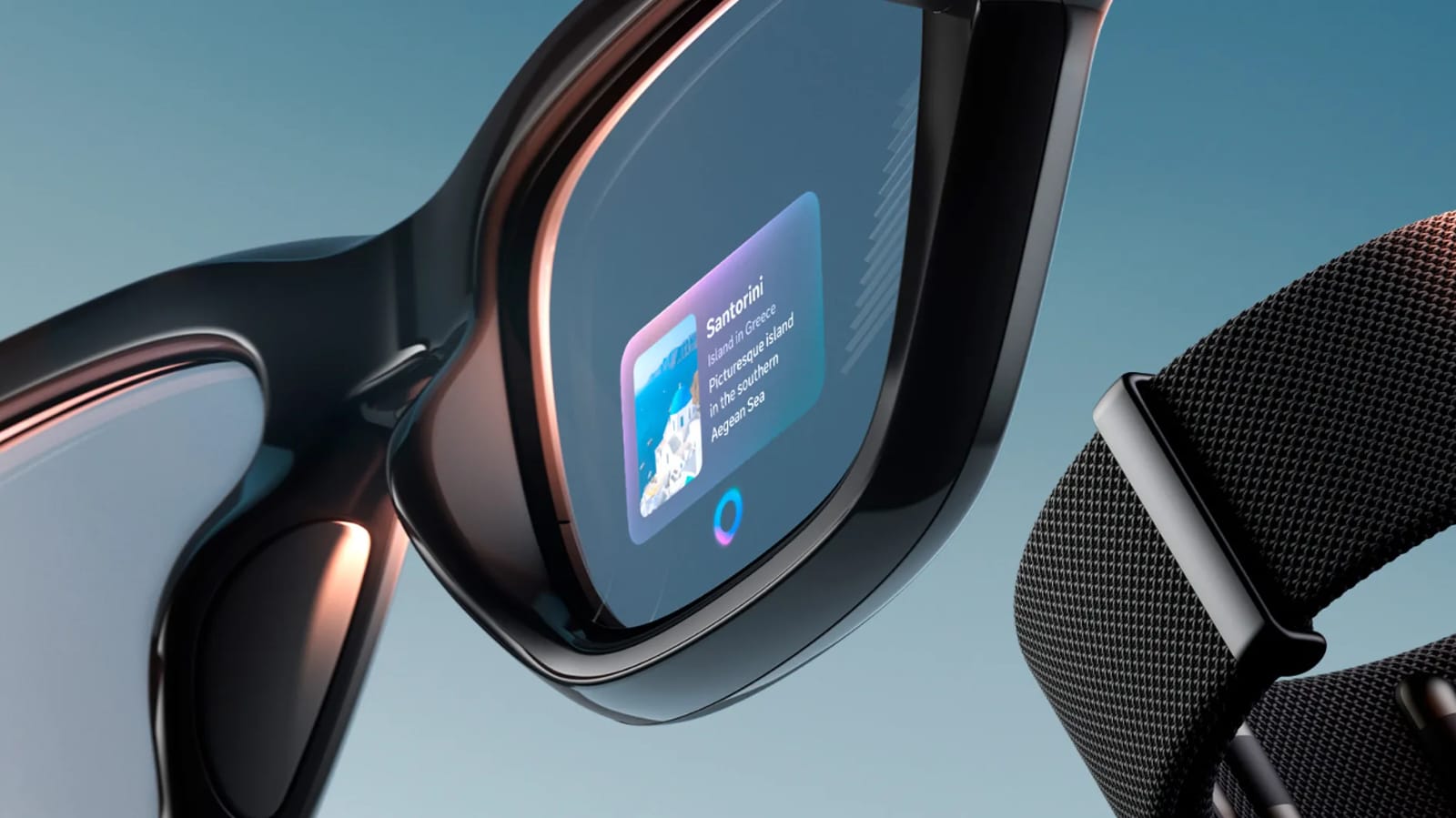
Smart glasses are transforming the way people interact with technology. Once considered a futuristic concept, these innovative wearable devices are becoming increasingly practical for work, entertainment, navigation, and communication.
Whether you’re curious about how smart glasses work or wondering if they’re worth the investment, this guide will walk you through everything you need to know. You’ll learn about their features, benefits, challenges, and how they may shape the future of everyday technology.
What Are Smart Glasses?
Smart glasses are wearable devices that combine traditional eyewear with advanced digital technology. They can display information, capture photos and videos, provide audio assistance, and connect to smartphones or other devices.
Unlike regular glasses, smart glasses often include features such as:
- Built-in cameras
- Microphones and speakers
- Voice assistants
- Bluetooth connectivity
- Augmented reality (AR) displays
- Navigation tools
- Fitness and activity tracking
These capabilities allow users to access digital information without constantly looking at a phone or computer screen.
How Smart Glasses Work
Most smart glasses use a combination of sensors, wireless connectivity, and miniature displays to provide real-time information. They connect to smartphones or cloud-based services through Bluetooth or Wi-Fi.
Depending on the model, users can control smart glasses using:
- Voice commands
- Touch-sensitive frames
- Hand gestures
- Smartphone applications
The goal is to deliver information naturally while keeping users aware of their surroundings.
Key Features of Modern Smart Glasses
Today’s smart glasses offer far more than basic notifications. Manufacturers continue to add features that improve convenience and productivity.
Augmented Reality Displays
One of the most exciting capabilities is augmented reality. AR overlays digital information onto the real world, allowing users to see directions, notifications, or visual guides directly in their field of vision.
For example, a user walking through a new city can receive turn-by-turn directions without checking their phone every few minutes.
Hands-Free Communication
Many smart glasses support voice calls, messaging, and virtual assistants. This hands-free functionality is especially useful when driving, exercising, or performing tasks that require both hands.
Photo and Video Capture
Some models include built-in cameras that allow users to take pictures and record videos from a first-person perspective. Content creators, travelers, and outdoor enthusiasts often find this feature valuable.
Audio Integration
Open-ear speakers and advanced audio technology enable users to listen to music, podcasts, or calls while still hearing surrounding sounds. This improves both convenience and situational awareness.
Benefits of Using Smart Glasses
As wearable technology continues to evolve, smart glasses offer several practical advantages.
Increased Productivity
Professionals can access information instantly without interrupting their workflow. Field technicians, warehouse workers, and healthcare professionals can view instructions, data, or checklists directly through their glasses.
Enhanced Navigation
Navigation becomes more intuitive when directions appear within the user’s line of sight. This reduces distractions and makes travel more efficient.
Better Accessibility
Smart glasses can assist individuals with visual or hearing impairments through features such as:
- Real-time transcription
- Object recognition
- Text reading
- Language translation
These tools help make technology more inclusive and accessible.
Reduced Screen Dependency
Many people spend hours each day looking at smartphones. Smart glasses provide quick access to information while reducing the need to constantly check a separate device.
Common Challenges and Limitations
Despite their advantages, smart glasses still face several challenges.
Battery Life Concerns
Advanced features such as cameras, displays, and wireless connectivity can quickly drain battery power. Many users expect longer battery life before widespread adoption occurs.
Privacy Issues
Because some smart glasses include cameras and recording capabilities, privacy concerns remain an important topic. Public acceptance often depends on clear usage guidelines and transparent design.
Cost of Ownership
High-end smart glasses can be expensive. While prices continue to decrease as technology advances, affordability remains a factor for many consumers.
Design and Comfort
People want wearable technology that feels natural and comfortable. Manufacturers continue improving designs to make smart glasses lighter, more stylish, and suitable for everyday use.
Popular Applications of Smart Glasses
The use cases for smart glasses extend far beyond personal entertainment.
Business and Industry
Companies use smart glasses for:
- Remote assistance
- Employee training
- Equipment maintenance
- Warehouse management
Workers can receive instructions in real time without carrying additional devices.
Healthcare
Healthcare professionals use smart glasses to access patient information, view medical imaging, and collaborate remotely during procedures.
Education and Training
Students and trainees can benefit from interactive learning experiences. Visual overlays and real-time guidance can make complex concepts easier to understand.
Travel and Tourism
Travelers can access translations, navigation assistance, and local information while exploring unfamiliar locations.
The Future of Smart Glasses
The future of smart glasses looks promising as technology becomes more advanced and affordable.
Industry experts expect improvements in:
- Battery performance
- Display quality
- Artificial intelligence integration
- Voice recognition
- Augmented reality experiences
Future smart glasses may eventually replace many functions currently performed by smartphones. Instead of pulling a device from your pocket, information could appear seamlessly within your field of view.
As AI continues to evolve, smart glasses may provide personalized recommendations, contextual information, and real-time assistance throughout the day.
Frequently Asked Questions About Smart Glasses
Are smart glasses worth buying?
Smart glasses can be worth buying for users who value hands-free access to information, navigation, communication, and wearable technology features. The best choice depends on your specific needs and budget.
Can smart glasses replace smartphones?
Not completely—at least not yet. Most smart glasses still rely on smartphones for connectivity and processing power. However, future models may become increasingly independent.
Are smart glasses safe to use?
Yes, when used responsibly. Many models are designed to provide information without blocking the user’s view of their surroundings. Following safety guidelines is essential, especially while driving or operating equipment.
Do smart glasses require internet access?
Some features work offline, but advanced capabilities such as cloud services, real-time translation, and AI assistance often require an internet connection.
Conclusion
Smart glasses are rapidly evolving from a niche gadget into a practical technology that can improve communication, productivity, navigation, and accessibility. As hardware becomes lighter, smarter, and more affordable, adoption is expected to grow across both consumer and professional markets.
Whether you’re interested in wearable technology, augmented reality, or hands-free digital experiences, smart glasses represent an exciting glimpse into the future of connected living.
Ready to explore the next generation of wearable technology? Research the latest smart glasses models, compare features that match your needs, and discover how this innovative technology can enhance your daily life.